
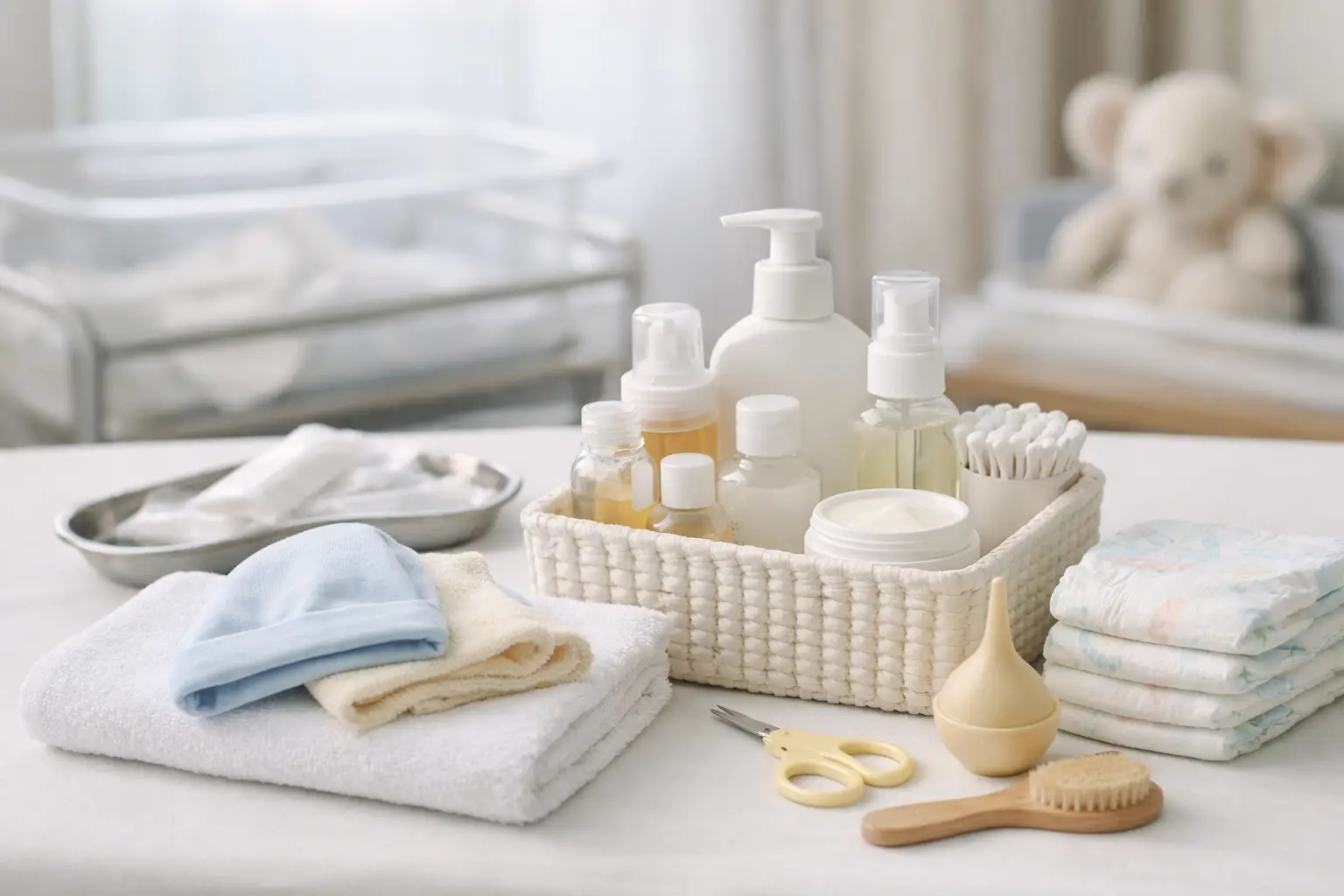
The first hours with your baby are not the time to sort through an overstuffed bag or wonder whether a product is gentle enough for newborn skin. The right birthing center newborn hygiene supplies make care feel calmer, whether you are changing that first diaper, protecting a healing umbilical cord, or getting ready to bring baby home. The goal is not a complicated routine. It is clean hands, a clean diaper area, gentle skin care, and a few thoughtful backups.
Birthing centers have their own policies and typically provide many basics during labor, birth, and immediate recovery. Ask what is supplied before you pack. Then build a small, purposeful hygiene kit around what your family will need after discharge, especially if you want familiar products on hand from baby’s first day.
Start With Your Birthing Center’s Plan
Before buying or packing anything, ask your birthing center what newborn items they provide and what they prefer families to bring. Some centers stock diapers, wipes, blankets, and basic cord-care supplies. Others expect parents to use their own diapering products after birth. Their clinical team may also have specific guidance for bathing, visitor hygiene, and umbilical cord care.
This matters because newborn care is personal, but it is not one-size-fits-all. A healthy, full-term baby may need little more than routine diaper changes and spot cleaning in the first days. A baby with sensitive skin, a medical concern, or special instructions from a pediatric clinician may need a more tailored approach. Your care team should always be the final word for your baby’s individual needs.
Keep your kit compact. A few items that work well are more useful than carrying every product you saw on a registry checklist. You are likely to be tired, recovering physically, learning to feed your baby, and meeting a person you already love deeply. Simple is kind to everyone.
Birthing Center Newborn Hygiene Supplies to Pack
A practical newborn hygiene kit begins with diapers in newborn and size 1, since sizing can be hard to predict before birth. Pack a small tube of diaper cream if you plan to use one, along with a changing pad or disposable changing surface for the ride home or early outings. A few soft burp cloths are helpful for milk dribbles, spit-up, and the everyday little messes that begin almost immediately.
For cleaning the diaper area, choose products made for delicate skin and use a gentle touch. Fragrance-free options are often a comfortable choice for newborns, particularly when you do not yet know how baby’s skin will respond. Clean from front to back during diaper changes, then pat dry rather than rubbing. If there is persistent redness, broken skin, blisters, or a rash that concerns you, call your pediatric clinician instead of trying multiple new products at once.
Hand hygiene belongs in every newborn plan. Birthing centers will have handwashing practices in place, but it helps to keep your own hands clean before diaper changes, feeding, and cord care. Soap and water are ideal when available. Hand sanitizer can be practical when hands are not visibly dirty, but allow it to dry fully before touching your baby.
A small pack of soft, clean cloths also earns its place in your bag. They are useful for gently wiping milk from neck folds, cleaning around the mouth, or refreshing hands and feet. Newborn skin does not need aggressive scrubbing. In fact, less product and less friction are often better.
Gentle Bathing Without Making More Work
A full tub bath is not usually needed every day, and during the umbilical cord stage, your birthing center or pediatric clinician may recommend sponge baths until the cord stump falls off and the area heals. This is one reason ready-to-use, no-rinse bathing supplies can be so helpful. They let you clean baby carefully without setting up a basin, managing slippery wet skin, or interrupting your own recovery to prepare a bath.
For a no-rinse option, look beyond ordinary diaper wipes. A cloth intended for a head-to-toe baby bath should be soft enough for newborn skin, generously sized, and made with ingredients you feel comfortable using across the body. Avoid products with harsh chemicals or strong fragrance, and always keep cleansing products away from baby’s eyes and inside the mouth.
Baby Batherz bathing cloths are designed for this exact early-parenthood gap: a pediatrician-approved, extra-thick bamboo cloth made with 99% purified water, aloe, vitamin E, and coconut soap, so families can give baby a gentle no-rinse clean without a tub or separate water source. They can be especially practical at the birthing center, in the car, at the changing table, or once you are home and conserving energy matters.
Warmth can make a brief clean-up more comforting, but temperature deserves care. If you choose to warm a bathing cloth according to its package instructions, test it against the inside of your wrist first. It should feel comfortably warm, never hot. Newborn skin is sensitive, and no bath or wipe-down needs to be rushed.
A calm four-step refresh
Start by placing baby on a secure, flat surface and keeping one hand on them at all times. Begin with the face, using a clean corner of the cloth and avoiding the eyes. Move down the body in gentle sections, paying attention to milk that can collect in neck folds and under the arms.
Clean the diaper area last. Use a fresh part of the cloth or a separate clean cloth if needed, especially after a bowel movement. Pat skin dry if moisture remains, put on a fresh diaper, and dress baby in a clean layer suited to the room temperature. That is enough. No tub, no stress, just love and a clean, comfortable baby.
Umbilical Cord Care Deserves a Light Touch
The umbilical cord stump does not need special products unless your baby’s clinician directs otherwise. In most cases, keep it clean and dry, fold the diaper down and away from the stump, and let air reach the area. If it becomes soiled with urine or stool, ask your care team how they want you to clean it.
Avoid covering the stump with a bandage or applying lotions, oils, or alcohol unless specifically instructed. A small amount of dried blood or moisture can occur as the stump separates, but contact your baby’s clinician if you notice spreading redness, swelling, foul-smelling drainage, pus, fever, or if baby seems unwell. Trust your instincts. You are not overreacting by asking.
When doing a sponge bath or no-rinse wipe-down, clean around the cord rather than soaking it. The rest of baby can still be refreshed: face, hands, skin folds, bottom, and feet all benefit from gentle attention. This approach supports hygiene while respecting the natural healing process.
Think Past the Birth-Day Bag
The supplies that help at a birthing center are often the same ones that make the first week at home easier. Keep a small basket near the place where you change baby most often, with diapers, a changing pad, clean cloths, and your chosen gentle cleanser. Put a second, smaller kit in the diaper bag so you are not rebuilding it before every appointment.
For parents recovering from birth, convenience is not a luxury. It can mean one less trip up and down the stairs, one less sink to set up, and one less task for a body that needs rest. Partners, grandparents, and visiting caregivers also benefit from having a clear, simple routine and the supplies to follow it safely.
As baby grows into the toddler years, the same idea still holds. A no-rinse clean-up can be a practical answer after a sandy playground, a sunscreen-covered afternoon, a travel delay, or a messy meal when a traditional bath is not realistic. The best hygiene supplies are the ones gentle enough to use with confidence and easy enough to reach when real life happens.
Your newborn does not need a perfect routine. They need caring hands, clean essentials, and parents who have room to breathe. Pack thoughtfully, follow your birthing center’s guidance, and let each small act of care remind you that you are already learning your baby beautifully.