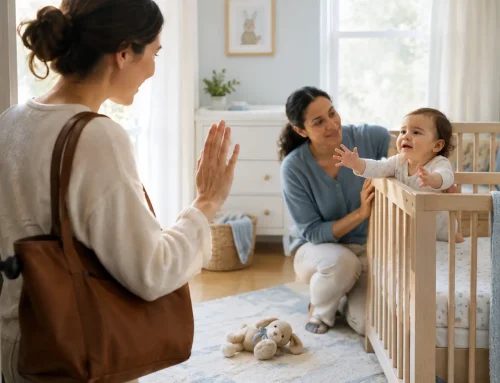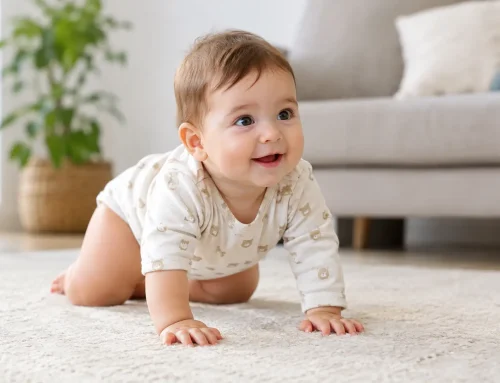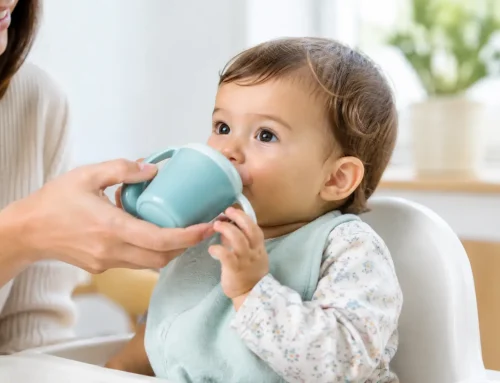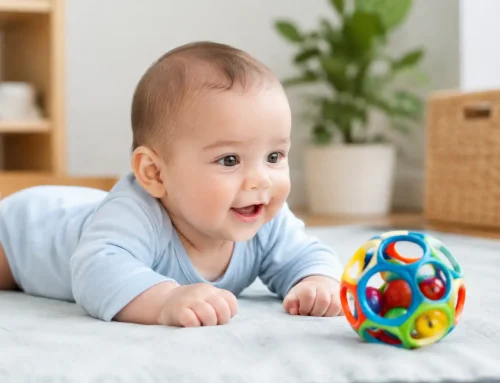
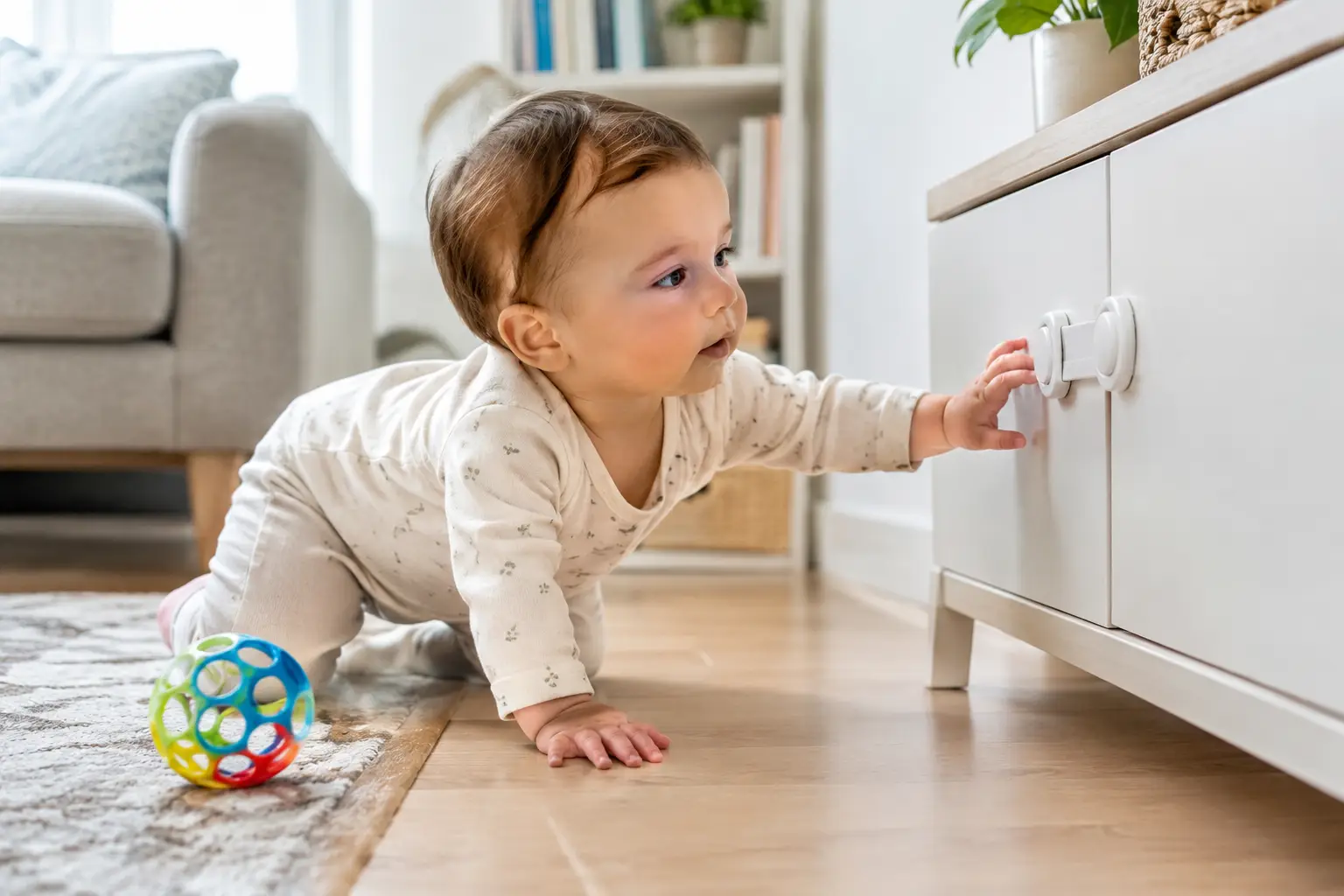
The first time your baby reaches the coffee table, opens a cabinet, or crawls with surprising speed toward a phone charger, the house can suddenly feel full of hazards. “Baby is on the move! A room-by-room baby-proofing checklist” is not about creating a perfectly padded home. It is about seeing your space from a curious, unsteady, determined little person’s point of view and making the highest-risk areas safer before exploration begins.
Babies develop on their own schedule. Some roll before you have time to think about it; others go from scooting to climbing in what feels like one weekend. Start baby-proofing before mobility arrives, then revisit each room as your child learns new skills. What is out of reach for a crawler may be within reach for a cruising baby, and a toddler can turn a previously safe drawer into a step stool.
Start With a Whole-Home Safety Sweep
Get down on the floor at your baby’s eye level. Look for cords, coins, loose batteries, small toy parts, pet food, dangling tablecloths, and anything that could be pulled down. A useful rule is that if an object can fit through a toilet paper roll, it may be a choking hazard and should stay secured or out of reach.
Anchor tall or heavy furniture to the wall, including dressers, bookcases, TVs, and changing tables with storage towers. Furniture tip-overs can happen quickly when a child pulls open multiple drawers or tries to climb. Keep remotes, key fobs, and battery-operated items stored up high, since button batteries and loose batteries are especially dangerous if swallowed.
Check smoke alarms and carbon monoxide detectors, replacing batteries as needed. Keep emergency numbers and poison control information easy for every caregiver to find. Baby-proofing works best when grandparents, babysitters, and visiting family members know the same basic rules, too.
Baby-Proofing Checklist: The Living Room
The living room often becomes baby’s first practice zone for rolling, crawling, pulling up, and falling. It does not need to look like a playroom all day, but it should have a clearly safe area where your child can explore while you fold laundry, answer the door, or take a much-needed sip of coffee.
Cover unused electrical outlets with secure outlet covers. Use cord shorteners or cord covers for lamps, chargers, and blinds, and move charging stations out of reach. Window-blind cords should never hang loose where a baby can grab them.
Secure the television and keep media consoles latched if they hold electronics, glass items, or batteries. Add corner guards to sharp-edged tables if your child is frequently learning to stand nearby. For a low coffee table, consider whether moving it temporarily gives a new crawler more open floor space.
Keep plants off the floor unless you know they are non-toxic and the soil is inaccessible. Decorative stones, potpourri, candles, and small framed objects are easy for little hands to find. If you use a play yard or gate, make sure it is installed according to its instructions and never use it as a substitute for active supervision.
Make the Kitchen Safer Without Making It Hard to Use
The kitchen is full of daily necessities that are unsafe for babies: heat, sharp tools, cleaning products, heavy cookware, and choking hazards. The goal is not to ban your child from the kitchen. It is to create boundaries so they can be nearby without reaching danger.
Install cabinet and drawer latches on lower storage areas that hold cleaning products, medications, alcohol, knives, scissors, dishwasher pods, or breakable dishes. Store these items high and locked whenever possible. Child-resistant packaging is helpful, but it is not child-proof.
Use stove knob covers if your child can reach the range. Turn pot handles toward the back of the stove, and keep hot drinks far from table and counter edges. A baby can grab a dangling mug handle or tug a tablecloth faster than most adults expect.
Keep the dishwasher closed and latched, especially during loading. Tiny hands can find utensils, detergent residue, and sharp edges. Check the floor after cooking for dropped food that could be a choking risk, such as grapes, nuts, hard candy, or pieces of plastic packaging.
A designated cabinet with plastic bowls, wooden spoons, or a few safe kitchen toys can be useful for an older baby who wants to participate. It will not work for every child, but it can buy you a few calm minutes while you prepare a meal.
Bathroom Safety Requires Layers of Protection
Water safety is non-negotiable. Never leave a baby or toddler alone in a tub, even for a moment, and never rely on an older sibling to supervise. Gather the towel, diaper, clean clothes, and bath supplies before you turn on the water.
Set your water heater to no higher than 120°F to lower the risk of scalds. Test bathwater with your wrist or elbow before placing baby in the tub. A soft spout cover can help prevent bumps, but it does not replace staying within arm’s reach.
Use toilet locks, secure medications and personal care products in a high cabinet, and empty buckets or tubs immediately after use. Razors, nail tools, hair appliances, and cosmetics belong in locked storage or well out of reach. Unplug hair dryers and curling tools after use, even if they are stored on a high counter.
For the in-between moments when a full bath is not practical, such as after a messy meal, a playground tumble, or a rushed bedtime, keep gentle cleansing supplies where adults can reach them. Baby Batherz no-rinse bamboo bathing cloths offer a pediatrician-approved, fragrance-free option for a head-to-toe cleanup without needing a tub or separate water source. They can be particularly helpful for wiping away dirt, sand, zinc sunscreen, or the sticky evidence of a very determined toddler snack.
Create a Safer Nursery and Bedroom
A safe sleep space should remain simple. For babies under 12 months, use a firm, flat crib or bassinet mattress with a fitted sheet only. Keep pillows, loose blankets, stuffed animals, crib bumpers, and positioners out of the sleep space. Once your child begins pulling up, lower the crib mattress according to the crib manufacturer’s instructions.
Place the crib away from windows, curtains, blind cords, wall decor, and furniture that could be climbed. Avoid hanging anything heavy above the crib or changing table. Keep diaper cream, medicines, wipes, and small grooming items out of baby’s reach, even if you only use them during diaper changes.
Always keep a hand on your baby during changes, even if they have never rolled before. If you need to step away, bring your child with you or place them safely in the crib. A rolling baby does not wait for you to finish opening the diaper drawer.
As babies become toddlers, check that dressers are anchored and closet doors cannot trap little fingers. Toy storage should have lightweight lids, open fronts, or safety hinges that prevent a lid from falling shut.
Don’t Forget Doors, Stairs, and Laundry Areas
Use hardware-mounted safety gates at the top of stairs. Pressure-mounted gates can be useful in doorways or at the bottom of stairs, but they should not be used at the top, where a child could push through and fall. Keep gates closed consistently, including during busy drop-offs, grocery unloading, and family gatherings.
Add doorknob covers or high latches where a toddler could wander into a garage, basement, bathroom, or outside area. Keep exterior doors locked and store keys where older children cannot access them. Window guards can help prevent falls, but screens alone are not designed to hold a child’s weight.
In the laundry room, lock detergents, stain removers, and cleaning supplies. Keep appliance doors closed and use appliance locks when needed. Laundry baskets can make a fun hiding spot for a toddler, so check before starting a load and keep the room off-limits if you cannot supervise.
Recheck as Your Child Grows
Baby-proofing is a moving target because babies are, too. Reassess after every new milestone: rolling, crawling, pulling to stand, climbing, opening doors, and learning to move chairs. Notice where your child is most interested, then solve that specific problem rather than trying to predict every possible mess.
A safer home still needs watchful adults, and no checklist can replace close supervision. But a few thoughtful changes can give your baby room to practice new skills and give you more confidence during the beautifully busy months ahead. Start with one room today, get low to the floor, and let your child’s curiosity show you what needs attention next.