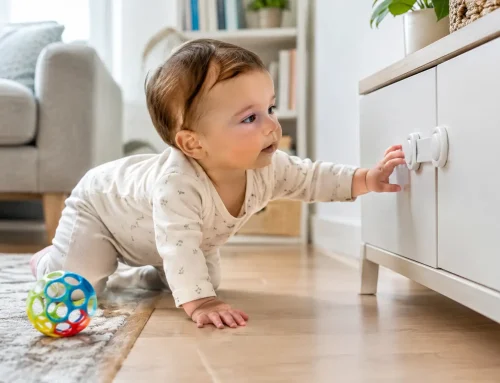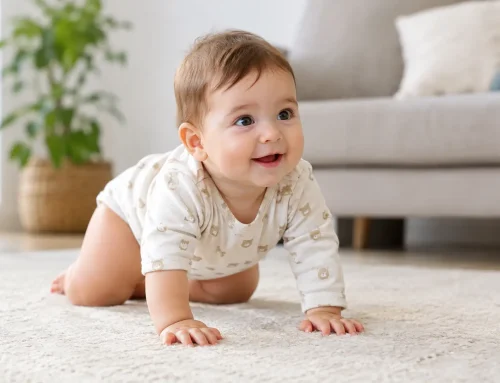

The first time you find your baby sleeping on their stomach, your heart may jump a little. Baby is rolling over – what changes at sleep time? The short answer is that your baby still starts every sleep on their back, but their sleep space and sleepwear need a quick safety update. This milestone is exciting, and with a few clear steps, it does not have to turn bedtime into another thing to worry about.
Baby Is Rolling Over: What Changes at Sleep Time?
Rolling is often one of the first big signs that your baby is gaining strength and control. Some babies roll from tummy to back first, while others surprise their parents by rolling from back to tummy. The timing varies widely, but many babies begin showing signs somewhere around 3 to 6 months.
The biggest sleep-time change is simple: stop swaddling as soon as your baby shows any signs of trying to roll. Do not wait until they have completed a perfect roll across the floor. Repeated twisting, kicking free, lifting a shoulder, or getting onto their side can all mean it is time to make the change.
A swaddle can be calming for a younger baby who still has a strong startle reflex. But once a baby may roll, having their arms contained can make it harder for them to use those arms to adjust their head and body. At this stage, free arms are a safety need, not just a developmental preference.
Keep putting baby down on their back
Even after your baby becomes a confident roller, always place them on their back at the beginning of naps and nighttime sleep. This remains the safest starting position for sleep throughout the first year.
If your baby rolls onto their tummy on their own and can roll both ways independently, you generally do not need to turn them back over all night. Constantly flipping them may wake everyone up and will not stop a determined new roller from trying again. What matters is that they got there themselves in a safe, empty sleep space.
If your baby can roll only one direction, follow the same basics: place them on their back, keep the crib clear, and give them supervised floor time during the day to practice rolling. If you are worried about their strength, breathing, or ability to reposition, bring it up with your pediatrician.
Retire the Swaddle and Choose Safer Sleepwear
Moving out of the swaddle can feel like a setback, especially if your baby slept beautifully while wrapped snugly. It can take several nights for them to get used to having their arms free. A sleep sack with both arms out can provide familiar warmth without restricting movement.
Choose a properly sized, non-weighted sleep sack designed for your baby’s current age and size. The neckline and arm openings should fit securely so fabric cannot ride up over the face. Dress your baby for the room temperature rather than adding loose blankets. In many homes, one more light layer than an adult would wear comfortably is enough, though room temperature and your baby’s clothing matter more than a fixed rule.
Avoid weighted swaddles, weighted sleep sacks, weighted blankets, or products that claim to hold a baby in one position. Babies need room to move naturally as they learn new skills.
Some families prefer a gradual transition by swaddling one arm out for a short period, then both. That may work for a baby who has not yet shown signs of rolling. But if rolling attempts have started, skip the gradual approach and move directly to both arms free.
Make the Sleep Space Truly Empty
Once rolling begins, a clear crib matters more than ever. Your baby may move much farther during sleep than you expect, sometimes rotating sideways or pressing right up against the crib rails by morning.
Use a firm, flat crib, bassinet, or play yard mattress with a fitted sheet made for that specific surface. Then keep it empty. That means no pillows, loose blankets, stuffed animals, crib bumpers, positioners, nests, or extra padding.
A few products can look comforting in a nursery photo but create risks when a baby can move into them and cannot easily move away. Even breathable-looking mesh, padded loungers, or rolled towels are not substitutes for a bare sleep surface. If your baby seems to prefer one side, do not prop them there.
If you are still using a bassinet, check its manufacturer guidance for developmental limits. Many bassinets need to be retired once a baby begins pushing up, rolling, or reaches a stated weight limit. A crib or appropriately rated play yard may be the better next step.
Expect a Little More Movement, Not Less Sleep Safety
For some babies, learning to roll temporarily disrupts sleep. They may roll onto their tummy, wake up frustrated, and cry because they have not yet learned how to roll back. This phase is common, even if it is tiring.
During the day, offer plenty of supervised tummy time on a firm floor. Place a favorite toy slightly to one side and let your baby practice shifting their weight, reaching, and rolling. The more comfortable they become moving both directions while awake, the sooner sleep may feel less awkward too.
At night, respond as you normally would if your baby wakes. Check that they are safe, calm them if needed, and lay them back down on their back. You do not need to keep them awake for extra practice or prevent them from rolling once they are back in the crib.
It is understandable to watch the monitor more closely during this stage. Still, a monitor cannot make an unsafe sleep setup safe, and it should not replace the basics: back to sleep, a firm flat surface, and an empty crib. If checking the monitor is making you more anxious rather than more reassured, consider turning down unnecessary movement alerts and focusing on a consistent bedtime routine.
Bedtime Routines May Need a Small Reset
Rolling often arrives alongside other changes: longer wake windows, more active play, drooling, spit-up, and a baby who suddenly protests being held still for pajamas. Keep your routine simple and repeatable. A feed, diaper change, brief cleanup if needed, pajamas, sleep sack, cuddles, and bed can be enough.
A full bath is not required every night, particularly for babies with dry or sensitive skin. For a milk-dribble, drool, or dinner-time mess, a gentle no-rinse clean can make bedtime easier without turning a late-night cleanup into bath time. Baby Batherz® bamboo bathing cloths are made for those moments when a tub is impractical, with 99% purified water, aloe, vitamin E, and no harsh chemicals. Keep any cloths and cleanup supplies out of the crib before sleep.
As your baby moves more, take a quick look at the sleep area before each nap and bedtime. A loose diaper tab, burp cloth left behind after a feed, or small item dropped during a rushed change can be easy to miss when everyone is tired.
A Quick Rolling-Over Sleep Check
When your baby starts rolling, these are the changes worth making right away:
- Stop using any arms-in swaddle at the first signs of rolling attempts.
- Put your baby down on their back for every nap and bedtime.
- Use a correctly sized, non-weighted sleep sack with both arms free if extra warmth is needed.
- Keep the crib, bassinet, or play yard bare except for its firm mattress and fitted sheet.
- Check whether your baby’s bassinet is still appropriate for their new movement skills.
Call your pediatrician if your baby seems unable to lift or turn their head, has unusual weakness or stiffness, or if you have specific concerns about sleep safety based on a medical condition. For most babies, though, rolling is simply a sign that their world is getting bigger. Your job is not to stop the movement – it is to give that new movement a safe place to happen, then let yourself exhale.