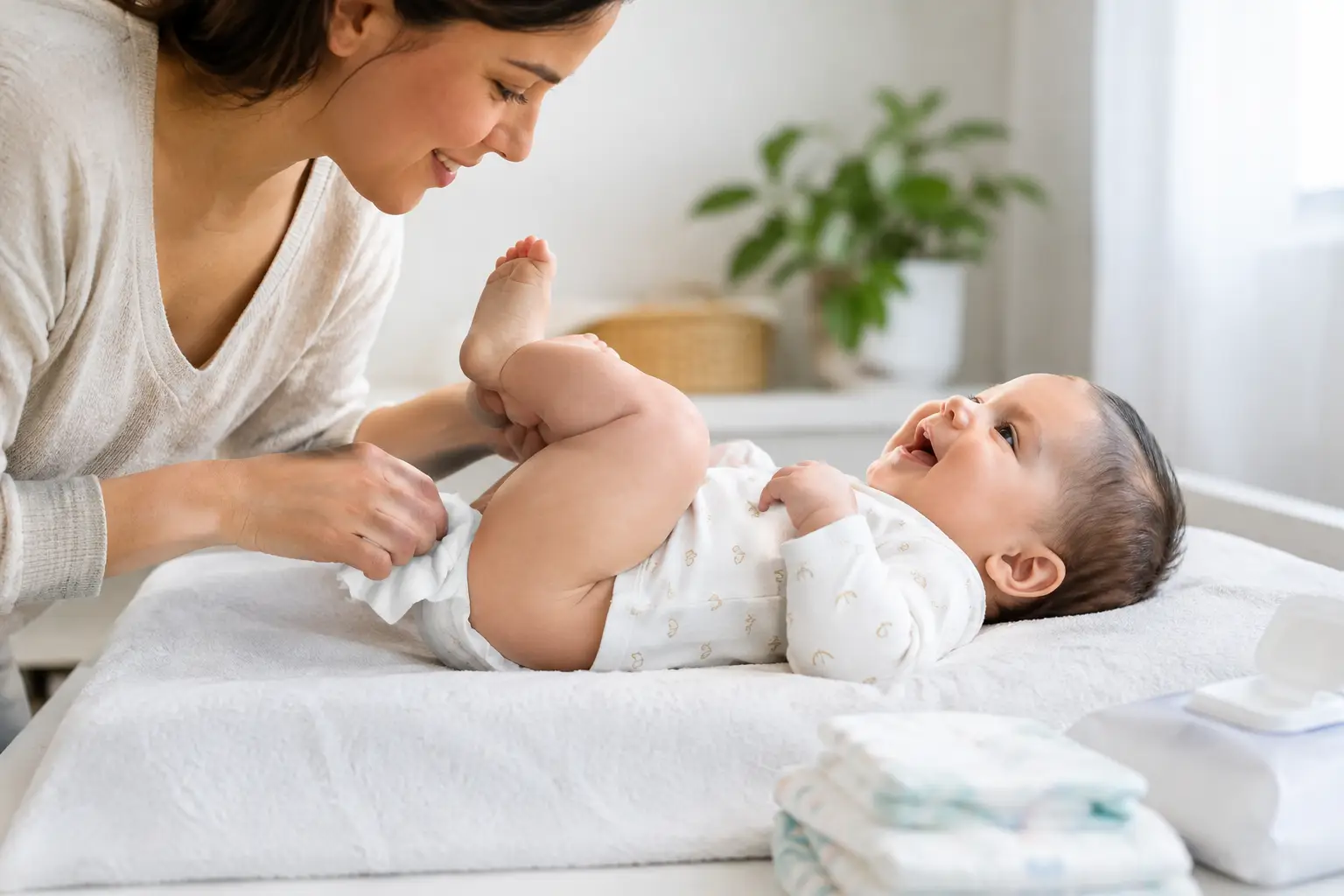
A blowout rarely arrives at a convenient time. It may happen five minutes before daycare drop-off, halfway through a car ride, or just as your baby finally falls asleep on your chest. Knowing how to clean baby after blowout messes can turn a stressful surprise into a manageable diaper change – without rubbing delicate skin or creating more chaos than necessary.
The goal is simple: contain the mess, clean gently, get baby dry, and make sure they are comfortable. You do not need a perfect setup or a full bath every time.
Start by containing the mess
Before unfastening the diaper, take a breath and gather what you need. If you are at home, place your baby on a safe, flat changing surface and keep one hand on them at all times. If you are out, use a changing pad, the trunk area of a parked car, or another stable surface away from traffic and hazards.
Keep a clean diaper, extra clothes, a towel or changing pad, and gentle cleansing cloths within reach. If poop has reached your baby’s shirt, onesie, or sleep sack, try to remove clothing from the shoulders downward when possible. Many baby onesies have envelope-style shoulder openings for exactly this reason. Rolling the garment down helps keep poop away from your baby’s hair and face.
If the mess is large, use the clean front portion of the diaper to lift away as much stool as you can before beginning the detailed cleanup. This reduces how much you need to wipe across the skin.
How to clean baby after a blowout step by step
A calm, methodical routine protects your baby’s skin and helps you avoid spreading the mess to clean areas.
1. Clean from front to back
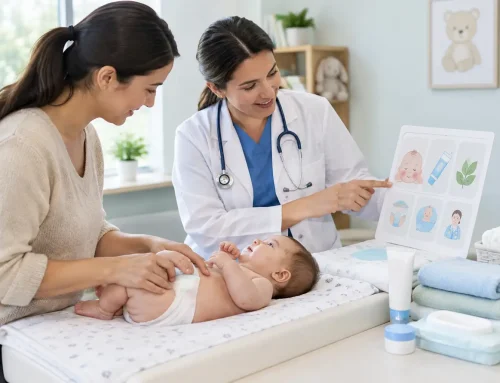
For all babies, wiping front to back is the safest habit. It helps keep stool away from the urethra and, for babies with vulvas, away from the vaginal area. Use gentle strokes rather than repeated scrubbing. Poop can settle into the creases around the thighs, buttocks, genitals, and lower back, so check those areas carefully.
For uncircumcised babies, clean only the outside of the penis. Do not pull back the foreskin. It is naturally attached in infancy and forcing it back can cause pain or injury.
2. Check every little fold
Blowouts travel. Once the diaper area looks clean, inspect the lower belly, leg rolls, waistband area, and any skin folds where stool may have spread. Gently separate folds with clean fingers and pat or wipe away any remaining mess.
This is especially useful for young infants with chubby thighs or babies who have been sitting in a car seat, where poop can be pressed upward along the back. Leaving stool tucked in a crease can contribute to irritation, so a quick second check is worth the minute it takes.
3. Use a no-rinse cleanup when a bath is not practical
A traditional bath can feel like the obvious answer after a major mess, but it is not always necessary. If you have fully removed the stool and your baby’s skin is clean, a gentle no-rinse cleanse may be enough. This is particularly helpful during a middle-of-the-night diaper change, while traveling, or when you are recovering from birth and bending over a tub is difficult.
Baby Batherz® no-rinse bamboo bathing cloths are designed for head-to-toe cleansing, not just diaper changes. Their extra-thick, fragrance-free cloths are made with 99% purified water, aloe, vitamin E, and a coconut-derived cleanser, offering a pediatrician-approved option when there is no tub, sink, or separate water source nearby.
If you do choose a bath, keep it brief and use lukewarm water. A bath can be helpful when stool has reached the hair, covered a large area of the body, or dried onto the skin. Skip harsh soaps and vigorous rubbing, which can make already-sensitive skin feel worse.
4. Pat dry before putting on a fresh diaper
Moisture trapped under a diaper can irritate the skin, especially after a blowout. Use a soft, clean cloth to gently pat the diaper area and skin folds dry. Avoid rubbing. Then put on a clean diaper that fits comfortably without digging into the legs or waist.
If your baby has mild redness, a barrier ointment or cream can help protect the skin from the next diaper. Follow your pediatrician’s guidance if your baby has persistent rashes, broken skin, or a history of eczema or sensitivity to certain products.
Do you need to wash your baby’s hair?
It depends on where the blowout went. If stool only reached the back of the onesie or the lower back, there is no need to wash your baby’s hair. A targeted cleanup is usually less disruptive, particularly for a newborn who does not need daily bathing.
If poop has reached the scalp, hairline, neck, or behind the ears, clean those areas gently. A damp, gentle bathing cloth can handle a small spot cleanup. For a larger mess in the hair, a quick lukewarm rinse may be easier. Support your baby’s head and neck securely, and dry the hair and neck folds afterward so moisture is not left against the skin.
Newborns with an umbilical cord stump need extra care. Keep the stump clean and dry, and avoid soaking it until it falls off and the area has healed as directed by your baby’s pediatrician. A targeted, no-rinse cleanup can make blowout care much simpler during this stage.
Treat the clothing and changing surface separately
Once your baby is clean and dressed, handle the cleanup zone. Fold soiled clothes inward so the mess stays contained, then place them in a washable bag or a separate laundry container. Rinse heavily soiled items with cool water before laundering if you can. Hot water can set stains, especially on light-colored baby clothes.
Wipe down the changing pad or surface according to its care instructions, then wash your hands thoroughly with soap and water. If you are away from home, hand sanitizer is useful after you have contained the mess, but soap and water is the better choice whenever it is available after handling stool.
Keep one small change kit in your diaper bag and another in the car. Include several diapers, a spare outfit in the next size up, a changing pad, a bag for soiled clothing, and enough cleansing cloths for a full-body cleanup. Blowouts are unpredictable, but being prepared makes them far less overwhelming.
Watch for signs that need a pediatrician’s advice
Most blowouts are simply part of babyhood, especially in the early months when stools are loose and frequent. Still, call your pediatrician if you notice blood in the stool, white or pale stools, black stools after the newborn period, ongoing watery diarrhea, signs of dehydration, fever in a young infant, or a diaper rash that is blistered, bleeding, spreading, or not improving.
A blowout alone does not mean something is wrong. It may mean the diaper was too small, the fit around the legs was loose, or your baby had a particularly full diaper at the wrong moment. Consider sizing up if blowouts happen often, but remember that a diaper that is too large can also leave gaps.
The next time a blowout interrupts your plans, focus on your baby rather than the mess. A gentle cleanup, dry skin, fresh clothes, and a reassuring cuddle are usually all it takes to get back to your day – no tub, no stress, just love.