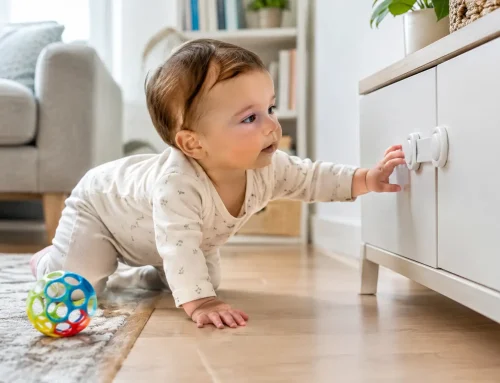
That first taste of peanut butter or scrambled egg can feel surprisingly high-stakes. When introducing common food allergens to baby, what parents should know is that waiting is no longer the default advice. For many babies, offering allergens in safe, age-appropriate forms once they are ready for solids may help support tolerance. The goal is not to rush or worry through every bite. It is to make a calm plan, know what to watch for, and ask for guidance when your baby’s history calls for it.
When to start introducing allergens to baby
Most babies are ready to begin complementary foods around 6 months old, not before 4 months. Readiness matters more than the calendar. Your baby should be able to sit with support and hold their head steady, show interest in food, open their mouth when food is offered, and move food from a spoon toward the back of their mouth rather than pushing it out with their tongue.
Once those signs are present, common allergens can be introduced along with other nutritious first foods. You do not need to introduce every allergen in one week, and you do not need to delay them until your baby is older. A relaxed, gradual approach gives you time to learn what works for your child and your family.
If your baby has severe eczema, an existing food allergy, or a history of an immediate reaction to egg, speak with their pediatrician before offering peanut. Some babies in these higher-risk groups may need an evaluation or a supervised plan first. Mild eczema alone does not always mean an allergist visit is needed, but it is still worth bringing up at a well-child appointment.
The common food allergens to introduce
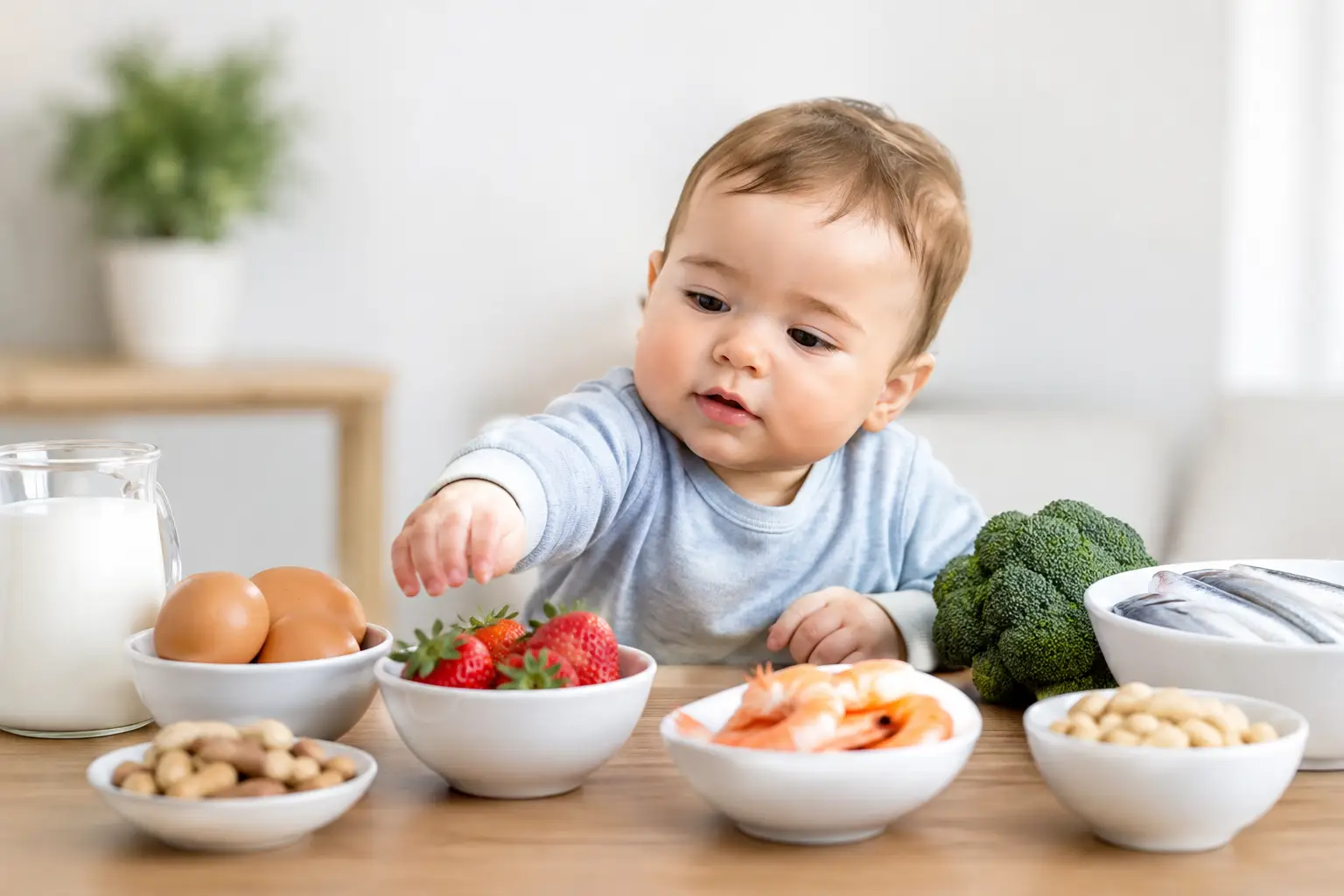
In the United States, the major food allergens include peanut, egg, cow’s milk, tree nuts, wheat, soy, sesame, fish, shellfish, and, less commonly in baby feeding conversations, finfish and crustacean shellfish are considered separately. Your baby may already have exposure to milk or soy if they drink standard infant formula.
Start with a small amount of one new allergenic food when your baby is healthy and you can observe them afterward. Morning or early afternoon is often easier than bedtime, simply because your pediatrician’s office is open and you are not trying to interpret a new rash at 2 a.m. There is no need to wait several days between every new food forever, but introducing one unfamiliar allergen at a time makes reactions easier to identify.
After a food is tolerated, offer it again regularly as part of your baby’s normal meals. This can look like thin peanut butter mixed into oatmeal one week and stirred into yogurt the next. Consistency matters more than serving a large amount.
Safe first tastes matter as much as timing
Allergen introduction should never create a choking risk. Whole peanuts, other whole nuts, spoonfuls of sticky nut butter, popcorn, large chunks of cheese, and pieces of fish with bones are not safe for babies.
Instead, mix smooth peanut or tree nut butter with warm water, breast milk, formula, or puree until it is thin and easy to swallow. Offer well-cooked egg in soft scrambled pieces or a smooth egg puree. Plain whole-milk yogurt is an easy dairy option for babies who are eating solids, while cow’s milk should not replace breast milk or formula as a main drink before age 1.
For sesame, try a small amount of tahini thinned into a puree. Soft tofu can introduce soy. Finely flaked, fully cooked fish without bones can work well, and wheat may appear in soft pasta, cereal, or toast strips prepared for your baby’s feeding stage. Shellfish should be fully cooked and finely minced or blended into another familiar food.
Always stay with your baby while they eat, seat them upright, and offer foods when they are alert. Gagging can happen as babies learn textures and is not the same as choking. If you are unsure how to tell the difference, a baby CPR and choking-safety class can bring real peace of mind before solids become more adventurous.
What an allergic reaction can look like
Most immediate food-allergy reactions happen within minutes to two hours after eating. A few hives around the mouth can be alarming, but rashes and redness also have other causes, including irritation from messy foods on sensitive skin. Look at the full picture and trust your instincts.
Call your pediatrician promptly for symptoms such as hives, repeated vomiting, swelling of the lips or face, new widespread redness, or a sudden worsening of eczema after a food. Take a photo of the rash, note what and how much your baby ate, and do not offer that food again until you have spoken with the clinician.
Call 911 right away if your baby has trouble breathing, wheezing, repetitive coughing, a hoarse cry, swelling of the tongue, pale or bluish skin, sudden limpness, or seems unusually sleepy or unresponsive. These may be signs of a severe allergic reaction. Do not try to manage breathing symptoms at home or drive yourself if emergency services are available.
Food allergy is different from an intolerance. Intolerances may cause digestive discomfort but do not involve the same immune response and do not typically cause hives, swelling, or breathing trouble. Your pediatrician can help sort out what happened, especially when symptoms are delayed or unclear.
A calmer plan for introducing common food allergens to baby
Choose a day when you will be nearby for the next couple of hours. Offer a tiny taste first, then a little more if your baby is comfortable and has no symptoms. You do not need to force a serving size. Babies are learning the taste, texture, and routine of eating, not passing a test.
Keep the meal simple enough that you can identify the new food. For example, offer thinned peanut butter on its own from a preloaded spoon, or mix it into a familiar puree. If your baby spits it out because the taste is new, that is normal. Try again another day rather than assuming they dislike it or are reacting to it.
Avoid at-home food sensitivity kits, which can produce confusing results and are not a reliable way to diagnose food allergy. Likewise, do not apply a food to your baby’s skin as a test. Eating a safe, age-appropriate amount is the meaningful exposure, unless your child’s clinician recommends supervised introduction.
It also helps to keep perspective. A family history of allergies can raise understandable questions, but it does not mean your baby will automatically have the same allergies. On the other hand, a baby can develop a food allergy without a family history. A clear plan and a responsive pediatrician are more useful than trying to predict every possibility.
Keep mealtimes gentle, not perfect
Starting solids is messy by design. Yogurt ends up in neck folds, egg finds its way into hair, and a baby who loved avocado yesterday may reject it today. Clean your baby’s hands and face after meals, especially if their skin is prone to irritation, but do not let the cleanup overshadow the learning.
For busy days, outings, and visits with grandparents, packing familiar foods and a simple cleanup option can make allergen introduction feel more manageable. Baby Batherz no-rinse bamboo bathing cloths can be useful for wiping away sticky food and sunscreen after a day out when a full bath is not practical. They are made for gentle head-to-toe cleansing, not for replacing safe feeding supervision or medical advice.
Your baby does not need a flawless first-food schedule. They need a caregiver who offers safe foods, pays attention, and knows when to ask for help. One small taste at a time is enough to build both their experience and your confidence.