A diaper bag is not a test of whether you are prepared enough. It is a small, mobile comfort station for the moments no one can schedule: a blowout halfway through a pediatrician visit, milk spit-up just as you arrive at Grandma’s, or a baby who needs a gentle clean when a sink is nowhere close. The best diaper bag essentials help you meet those moments calmly, without packing your entire nursery.
For newborn parents especially, a thoughtful bag matters because the early weeks are full of feedings, diaper changes, sensitive skin, healing bodies, and unfamiliar routines. The goal is not to carry more. It is to carry the few things that keep baby clean, dry, fed, and comfortable – while making life easier for you, too.
Diaper Bag Essentials That Earn Their Space
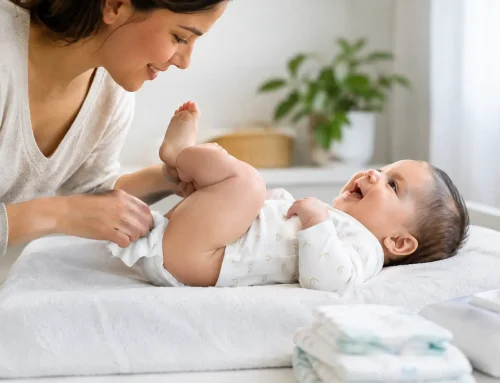
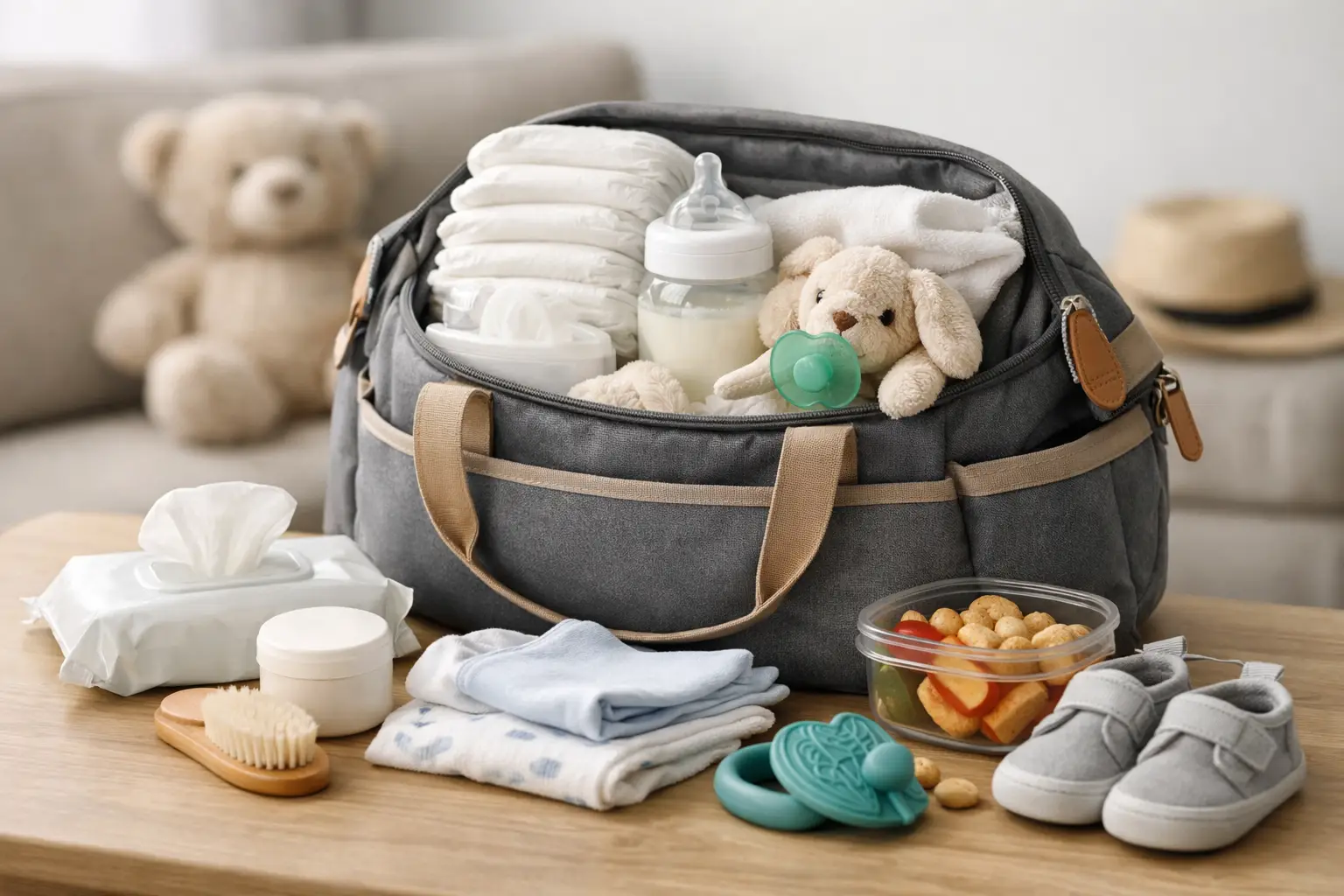
Start with the supplies you will use at nearly every outing: diapers, a changing pad, wipes for diaper changes, diaper cream, and a change of clothes. How many diapers you pack depends on the length of the trip, your baby’s age, and whether you have an easy way to restock. For a quick errand, a few may be enough. For a longer appointment or day away, bring extra. Newborn diaper changes can be surprisingly frequent, and a single messy diaper can use more than one.
Keep these items together in one easy-to-reach pouch or compartment. When baby is crying on a changing-table liner in a public restroom, you do not want to search through snacks, receipts, and spare socks for diaper cream. Organization is not about having a picture-perfect bag. It is about making one-handed care possible.
A spare outfit for baby is nonnegotiable. Pack a soft onesie, pants or footed pajamas appropriate for the weather, and an extra pair of socks. For newborns, consider adding a second outfit. A diaper leak, spit-up, or a sudden feeding mess can make one backup disappear quickly.
It also helps to pack a lightweight muslin blanket. It can provide warmth, serve as a clean surface, shield a nursing parent who prefers privacy, or become an emergency burp cloth. This is one of those simple items that solves several small problems at once.
Gentle Cleanup Beyond the Diaper Change
Standard wipes are useful for diaper changes, but they are not always what you want for a full head-to-toe freshen-up. Newborn skin is delicate, especially around the neck, under the arms, behind the ears, and in those tiny leg folds where milk, moisture, and lint seem to collect.
A no-rinse bathing cloth belongs in your bag for the situations when a traditional bath is not practical. Baby Batherz® are extra-thick, 100% bamboo cloths made with 99% purified water, aloe, vitamin E, and coconut soap without fragrances or harsh chemicals. Designed by a nurse practitioner and pediatrician-approved, they offer a gentle way to clean baby when there is no tub, sink, or separate water source available.
They can be especially helpful during the umbilical-cord stage, when families often want to keep cleansing simple while following their pediatric provider’s cord-care guidance. Use a clean cloth gently around the surrounding skin, avoid tugging or disturbing the cord stump, and pat the area dry as needed. If you notice redness spreading from the cord, drainage, a foul odor, fever, or a baby who seems unwell, call your pediatrician promptly.
For an on-the-go bath, use the cloth in a calm, simple order: begin with baby’s face and outer ears, move to the neck and torso, clean arms and legs including skin folds, then save the diaper area for last. Use a fresh cloth when needed for a particularly messy area. There is no need to rinse afterward. If your baby enjoys warmth, follow package instructions for safely warming the unopened cloth first, then always test it on your own wrist before using it on baby.
This kind of gentle cleanup is not only for newborn days. Toddlers and young children collect sand, dirt, zinc sunscreen, snack residue, and playground grime at impressive speed. A bathing cloth can make the walk from the beach, park, or car seat feel much less overwhelming.
Pack for the Mess You Cannot Predict
Every diaper bag needs a plan for containing messes. Bring a few sealable bags for soiled clothes, used diapers when a trash can is not nearby, or a wet burp cloth after a feeding. A small waterproof pouch is another good option, but disposable bags are often easier during those early, sleep-deprived weeks.
Add burp cloths or absorbent cloths, too. One is rarely enough on a feeding-heavy day. Keep one near the top of the bag so you can catch spit-up quickly instead of digging for it after it reaches your shirt.
And pack a top for yourself. This is one of the most commonly forgotten essentials and one of the kindest things you can do for your future self. A small spit-up incident may not bother baby at all, but being able to change before an appointment or the drive home can make you feel more comfortable and cared for.
Feeding and Comfort Without Overpacking
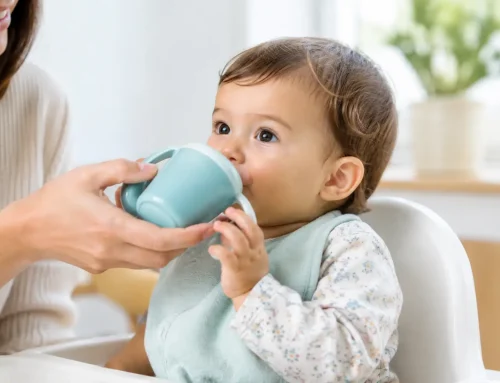
For breastfed babies, your feeding kit may be as simple as nursing pads, a burp cloth, water for you, and any pump supplies you truly need for the time away. If you use bottles, bring prepared bottles or measured formula and safe water according to your baby’s feeding routine and your pediatrician’s guidance. Include an extra bottle nipple or bottle if being away from home makes you nervous at first.
A pacifier, if your baby uses one, deserves a clean storage case. Pack a backup because pacifiers have a way of landing on the floor at exactly the wrong time. A small, familiar comfort item can also help older babies settle in a stroller, car seat, or unfamiliar home.
For longer outings, think about your own needs alongside baby’s. A water bottle, easy snack, lip balm, phone charger, and any postpartum supplies you need can turn a stressful trip into a manageable one. Parents recovering from a C-section or vaginal delivery should not have to choose between taking care of baby and tending to their own comfort.
Make the Bag Support Postpartum Recovery
The person carrying the diaper bag is often healing, running on little sleep, or both. Build your bag so a partner, grandparent, or friend can step in without needing a detailed briefing. Label pouches if that helps: diapers, feeding, clean clothes, and bath or cleanup. A partner who knows where everything is can take over a change while you sit down, eat, or simply take a breath.
This is also why a diaper bag makes such a meaningful baby shower or hospital gift. A beautifully chosen outfit is lovely, but practical care items acknowledge what new families actually face in the first weeks: unpredictable messes, limited energy, and a deep desire to keep baby comfortable. Add a gentle no-rinse bathing option, diapers in a useful size, a changing pad, burp cloths, and a note that reminds the new parent they are doing enough.
Grandparents may appreciate a small duplicate kit for their own car or home. It prevents the last-minute scramble when baby arrives for a visit and makes caregivers more confident handling a diaper change or surprise spit-up cleanup.
Refresh Your Bag Before It Becomes an Emergency
A well-packed bag still needs a quick reset after each outing. Toss used items, replace diapers and clean clothes, check feeding supplies, and wipe down the changing pad if needed. Restocking takes a few minutes at home. Trying to do it in a parking lot with a hungry baby takes much longer.
Check product labels and expiration dates periodically, especially for creams, medications, formula, and snacks. Consider seasonal changes, too. A summer outing may call for a sun hat and extra water for the caregiver, while colder weather may require a warmer layer and a dry pair of mittens for an older child.
Most of all, let your bag evolve with your baby. Newborns need frequent diapering, skin-fold care, and feeding support. Older babies may need snacks, a bib, and a toy. Toddlers may need a cleanup cloth after every outdoor adventure. The right diaper bag does not prepare you for every possible scenario. It gives you a calm, gentle answer to the next one – no tub, no stress, just love.