The first outing with a baby can feel like a military operation: feed, diaper, find the missing sock, buckle everyone in, then wonder if you forgot the one thing you will actually need. A safe baby outing guide is not about packing for every possible emergency. It is about creating a simple plan that keeps your baby comfortable, clean, and closely supervised while giving you enough confidence to leave the house.
Start small if you can. A brief walk, coffee run, or visit with a nearby grandparent gives you a chance to learn what works for your baby without the pressure of a full day away. Babies are wonderfully portable, but their needs can change quickly. A flexible mindset is often more useful than a perfectly stocked diaper bag.
Safe Baby Outing Guide: Start With the Basics
Before heading out, think through three things: how your baby will travel safely, how they will eat, and where you can handle a diaper change or cleanup. Those basics cover most outings, whether you are taking a newborn to a pediatrician appointment or bringing a busy toddler to the playground.
For car trips, use a rear-facing car seat that is installed and used according to its instructions. The harness should lie flat and be snug enough that you cannot pinch extra webbing at the shoulders. Skip bulky coats and puffy snowsuits under the harness. Dress baby in thinner layers instead, then place a blanket over the secured harness once you are outside if the weather is cold.
Plan for the temperature at your destination, not just the temperature in your driveway. Babies can overheat more easily than adults, especially in car seats, strollers, and carriers. Check the back of your baby’s neck or chest rather than their hands and feet, which often feel cool even when baby is comfortable. Remove a layer if they are sweaty, flushed, or unusually fussy.
Never leave a baby alone in a vehicle, even for a quick errand. Cars can heat up or cool down surprisingly fast. If your baby falls asleep in the car seat, move them to a firm, flat sleep surface as soon as practical once you reach your destination. Car seats are essential for travel, but they are not intended for routine sleep outside the car.
Pack for the Outing You Have, Not the One You Fear
A diaper bag does not need to be enormous to be useful. For most short outings, pack enough diapers for the expected time away plus a couple of extras, wipes for diaper changes, a portable changing pad, a change of clothes, feeding supplies, and a small blanket. Add a plastic or reusable wet bag for soiled clothing, because blowouts and spit-up rarely happen at convenient times.
For longer outings, include more than you think you will use of the essentials that are hard to replace quickly: formula or expressed milk, bottles, diapers, any medications, and a backup outfit. If you are nursing, bring water and a snack for yourself too. Caring for a baby is physical work, and a hungry, dehydrated caregiver has a harder time making calm decisions.
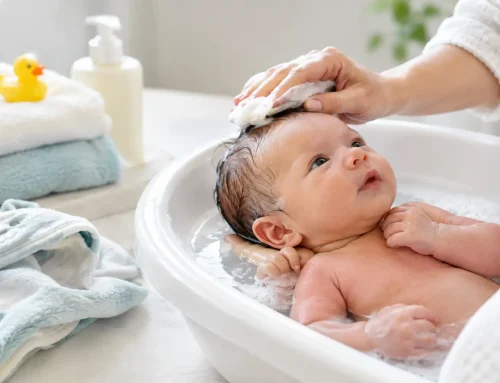
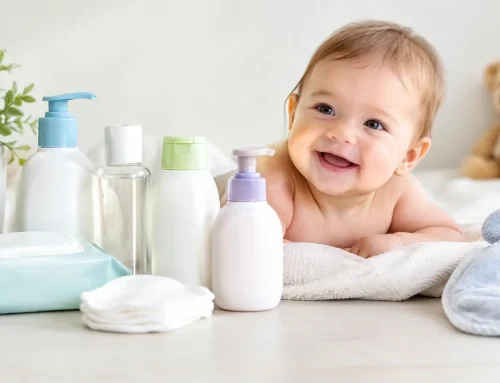
A small cleanup option is also helpful beyond the diaper stage. Infants discover sticky surfaces with their hands. Toddlers find sand, grass, snack crumbs, and playground grime with their entire bodies. Baby Batherz® no-rinse bamboo bathing cloths can be a practical addition for a head-to-toe freshen-up when there is no clean sink or tub nearby, such as after a sandy park visit, a messy meal, or a long day of travel. They are made for bathing and cleansing, not as a replacement for diaper wipes during every change.
Keep hand sanitizer for adults when soap and water are unavailable, but wash hands with soap and water whenever possible, especially after diaper changes and before preparing bottles or food. Hand sanitizer is not a substitute for washing visibly dirty hands.
Choose Baby-Friendly Timing and Places
You do not have to organize your life around a strict schedule, but timing can make an outing much easier. Leaving soon after a feeding and diaper change often gives you the widest window before your baby needs something again. For toddlers, avoid setting out when they are overtired or very hungry if you have the choice.
Think about the setting before you go. Is there shade? Is there a clean place to change a diaper? Will you be able to step somewhere quiet to feed or calm baby? At a restaurant, museum, family home, or park, locating the restroom, changing table, and a calm corner early can make you feel much less rushed later.
Outdoor time can be wonderful for the whole family, but sun and heat need extra attention. For babies under 6 months, prioritize shade, lightweight protective clothing, and a wide-brimmed hat rather than direct sun exposure. For older babies and toddlers, use shade and protective clothing along with a broad-spectrum sunscreen appropriate for their age and your pediatrician’s guidance. Reapply as directed, especially after water play or heavy sweating.
Be thoughtful about stroller covers in warm weather. Draping a thick blanket over a stroller can trap heat and reduce airflow. Use the stroller canopy, shade, and breathable sun protection designed for the stroller instead. If the day is very hot, shortening the outing is often the safest choice.
Handle Public Spaces Without Panic
You cannot keep a curious baby away from every germ, and you do not need to. The goal is sensible prevention. Keep strangers from touching baby’s hands and face, especially during the early newborn months. Wipe down high-touch surfaces when practical, and keep baby from mouthing shopping cart handles, restaurant tables, or playground equipment.
If you are visiting friends or grandparents, it is reasonable to ask anyone who wants to hold baby to wash their hands first. During cold and flu season, you can also ask visitors to postpone if they feel sick. These are not fussy rules. They are simple ways to protect a baby whose immune system is still developing.
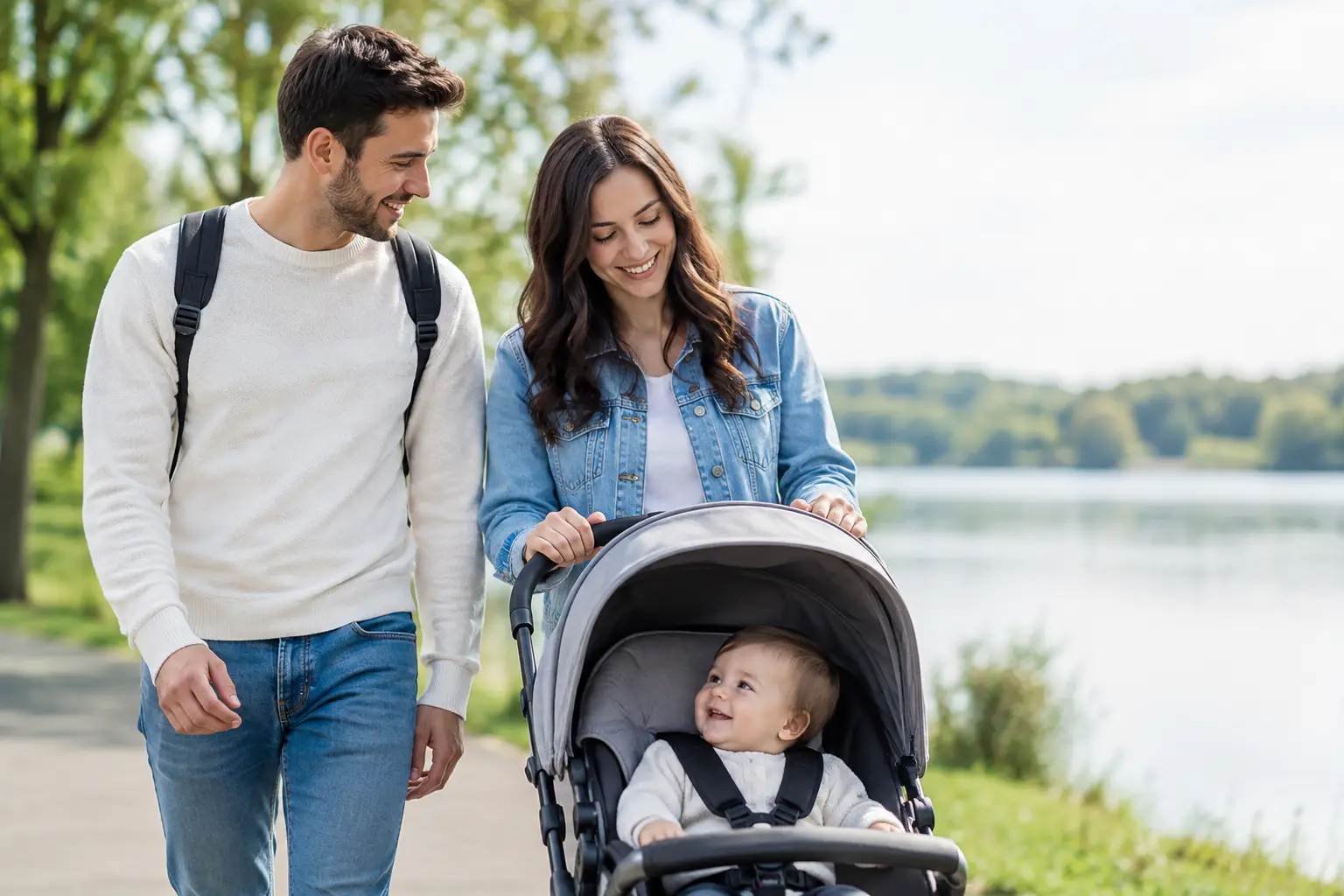
Crowded settings require closer attention. Wear your baby in a properly fitted carrier if that helps keep them close, or keep a hand on the stroller in busy areas. For mobile babies and toddlers, choose a clear meeting point and stay within arm’s reach near parking lots, water, stairs, animals, and play structures. A toddler’s new confidence often arrives before their awareness of risk.
Expect Messes and Have a Calm Plan
The safest outing plan includes room for normal baby chaos. A diaper leak does not mean the day is ruined. A car-sick toddler does not mean you can never travel again. Pause, move to a safe spot, clean up what you can, change clothes, and decide whether continuing still feels comfortable.
For car sickness, keep a spare outfit, towels or absorbent cloths, bags for soiled items, and water for older babies and toddlers who can safely drink it. If your child repeatedly becomes sick in the car, mention it to their pediatrician. For spit-up and blowouts, protect your own clothing with an extra shirt if possible. It sounds small, but a dry caregiver feels much better halfway through a long outing.
When a traditional bath is not an option, a gentle cleanup can make the ride home more comfortable. Pay attention to skin folds, hands, necks, and anywhere sunscreen, food, sand, or sweat has collected. Once you are home, return to your usual bathing and bedtime routine when it makes sense. Consistency can help babies and toddlers settle after a stimulating day.
Know When to Head Home or Get Help
Babies do not need to be perfectly cheerful for every outing, but certain signs mean it is time to change plans. Head home if your baby seems overheated, cannot be comforted, has repeated vomiting, develops unusual lethargy, or is feeding much less than usual. For a newborn, a rectal temperature of 100.4°F or higher requires prompt medical guidance. Trust your instincts if something feels off, even if you cannot name exactly why.
You are allowed to leave early. You are allowed to say no to a crowded event, a long drive, or a plan that does not work for your child that day. The goal is not to prove that you can do everything exactly as you did before baby. It is to build a family life that feels safe and manageable, one ordinary outing at a time.
A well-prepared bag and a few safety habits can give you freedom, but your calm presence is what your baby will feel most. Start close to home, learn your child’s rhythms, and let each successful trip remind you that you are becoming the expert on your own little one.