A baby can get sticky, sweaty, sandy, or covered in spit-up long before bath time. And when you are holding a newborn after a C-section, managing a toddler in an airport restroom, or cleaning zinc sunscreen off little legs at the park, setting up a full bath may not be realistic. This no rinse cleanser comparison looks at the options parents commonly reach for, what each one does well, and where it may fall short.
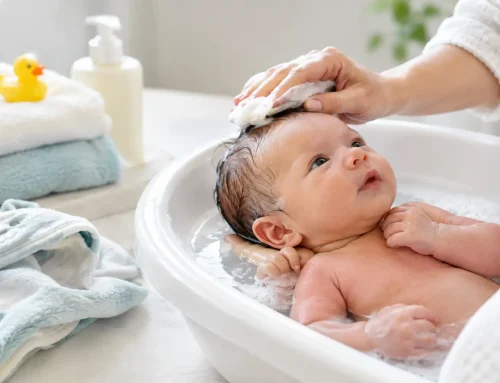
The goal is not to replace every traditional bath. Warm water and a gentle bath can be a lovely part of a family routine. But babies and young children also need safe, practical ways to get clean between baths, during travel, and in those very normal moments when a tub is simply not available.
No Rinse Cleanser Comparison: What Are You Actually Choosing?
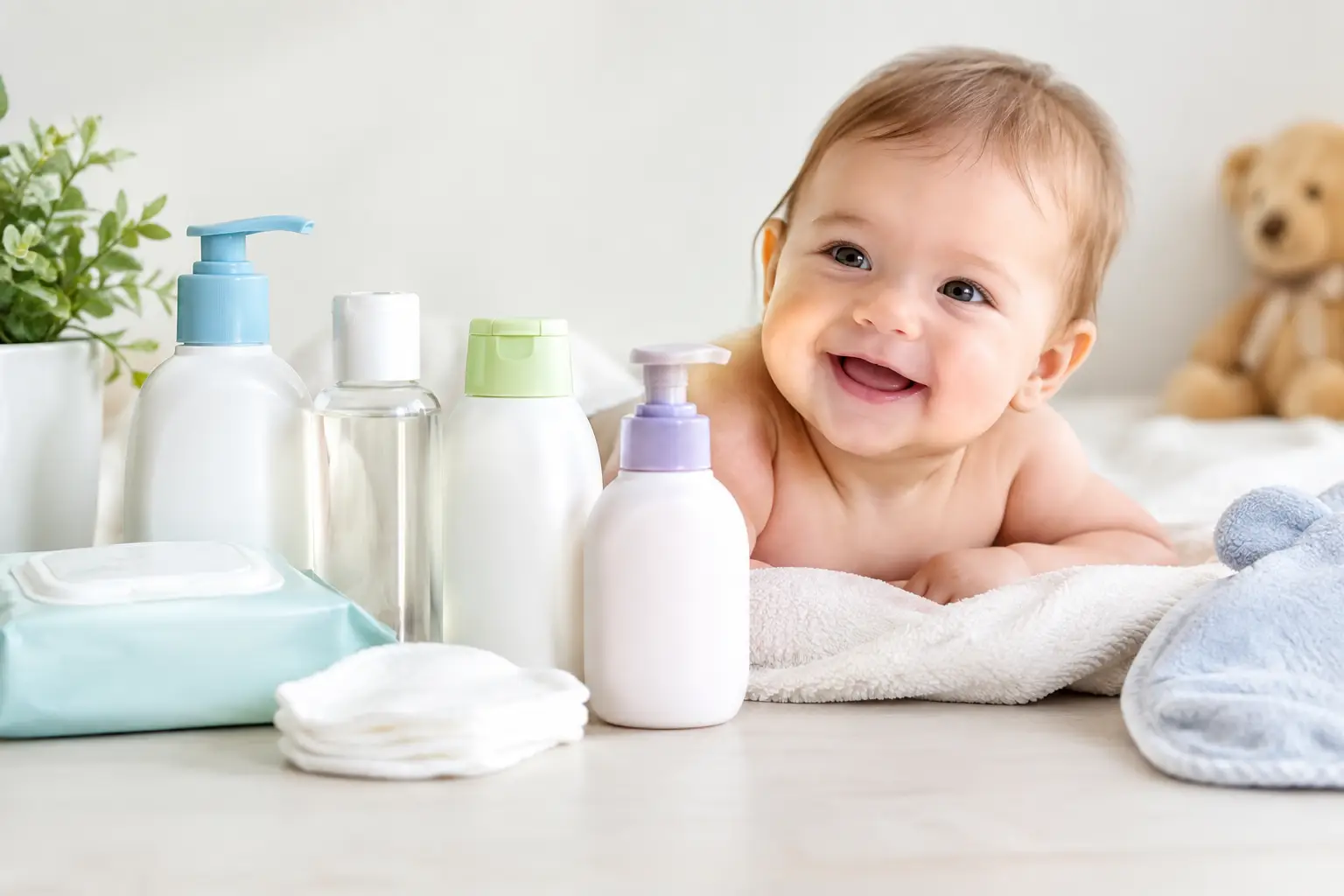
The phrase “no-rinse cleanser” can describe several very different products. Some are made for diaper changes. Some are designed for hands or surfaces. Others are intended for a quick body cleanse. They may look similar in a diaper bag, but their ingredients, thickness, purpose, and gentleness can be very different.
For babies, especially newborns, the best choice depends on where you are cleaning, what you are cleaning off, and your child’s skin needs. A quick pass over a sticky hand is different from cleaning neck folds after a milk spill. A toddler with sand and sunscreen on their knees has different needs than a newborn whose umbilical cord area needs to stay dry.
When comparing products, start with the intended use. A product designed for full-body cleansing is generally more appropriate for a head-to-toe freshen-up than a standard diaper wipe. A diaper wipe can be useful during a diaper change, but it may be too small, too thin, or unnecessarily fragranced for cleaning larger areas of sensitive skin.
The Main Types of No-Rinse Cleansers
Diaper wipes
Diaper wipes are made primarily to remove stool and urine from the diaper area. They are convenient, widely available, and useful for their purpose. Many parents also use them for quick messes on hands, feet, or faces.
The trade-off is that not every diaper wipe is made for all-over bathing. Some contain fragrance, stronger cleansing ingredients, or lotions that may not suit a baby with dry or easily irritated skin. Their smaller size can also mean using several wipes to clean an active infant or toddler after an outing. For routine diaper care, they make sense. For a gentle, more complete clean, consider a product formulated specifically for bathing.
Micellar water or rinse-free cleansing water
Micellar waters are liquid cleansers commonly applied with cotton rounds or soft cloths. They can be gentle and effective for light cleanup, especially around a baby’s face, hands, or small skin creases. The liquid format may be useful at home when you have a clean cloth nearby.
Still, this option requires extra supplies. You need the cleanser, something to apply it with, and a place to manage any drips. That may be fine on a changing table but less convenient in the car, at a grandparent’s house, or on a plane. Check labels closely, too. “Gentle” does not always mean fragrance-free or suitable for newborn skin.
No-rinse foams and sprays
Foams and sprays can cover a larger area quickly, and some are marketed for post-play cleanup or travel. They can work well for older babies and toddlers who have gotten messy outdoors, particularly when paired with a soft washcloth.
The biggest consideration is control. A wiggly child may not enjoy a cold spray, and sprays can be difficult to use near the face. Foams can leave product behind if too much is applied or if they are not wiped away thoroughly. These formats can be helpful in the right situation, but they are not always the calmest choice for a newborn or an overtired child.
Pre-moistened bathing cloths
Pre-moistened bathing cloths combine cleanser and cloth in one ready-to-use format. For parents who need a simple alternative to a tub bath, this can be the most practical category: no water source, no separate washcloth, and no need to rinse afterward.
The details matter here. Look for a cloth that is large and thick enough to clean more than one small area, with ingredients chosen for sensitive baby skin. Baby Batherz® bathing cloths are made for head-to-toe cleansing, not diaper changes, and use 99% purified water, aloe, vitamin E, and a coconut-derived cleanser in an extra-thick 100% bamboo cloth. They are fragrance-free, pediatrician-approved, and formulated without harsh chemicals.
How to Compare Ingredients Without Getting Overwhelmed
Parents should not need a chemistry degree to choose a cleanser. A few clear questions can help you narrow the field.
First, ask whether the product is fragrance-free. Fragrance can be pleasant, but it is also a common source of skin sensitivity. Babies do not need to smell like perfume to be clean. A mild, clean product without added fragrance is often the simpler choice for newborns and children with sensitive skin.
Next, look for ingredient transparency. You should be able to understand what the product is meant to do and whether it includes moisturizers or cleansing agents appropriate for delicate skin. Purified water-based formulas, mild surfactants such as coconut-derived cleansers, and familiar skin-supporting ingredients like aloe can be reassuring signs.
Finally, pay attention to what is not included. Parents may prefer products formulated without harsh chemicals, heavy fragrances, or ingredients that seem unnecessary for a quick baby cleanse. If your child has eczema, frequent rashes, or a known allergy, your pediatrician can offer individualized guidance before you add a new product to the routine.
Match the Cleanser to the Moment
A no-rinse cleanser should make care easier, not create a second cleanup job. For newborns, it can be especially useful during the early days when sponge baths are recommended and the umbilical cord stump needs to stay dry. Use gentle strokes around the body, avoid saturating the cord area, and follow your pediatrician’s instructions if you notice redness, drainage, or odor.
For infants, no-rinse cleansing helps with the places milk, drool, and heat tend to hide: under the chin, in thigh rolls, behind the ears, and in the neck folds. These areas should be gently cleaned and patted dry, because trapped moisture can irritate skin.
For toddlers and young children, the need is often more obvious and more urgent. Think playground dirt before a car seat, sand after the beach, sunscreen after a long afternoon outside, or a snack spill five minutes before a family photo. A full bath may still happen later, but a quick, thorough cleanup can keep your child more comfortable now.
A Simple Way to Use a No-Rinse Bathing Cloth
For a quick body cleanse, begin with clean hands and a comfortable, safe surface. Undress your child only as much as needed so they stay warm. Wipe one area at a time, moving from cleaner areas to messier ones, and use a fresh cloth when needed.
For newborns, support the head and neck at all times and keep the room comfortably warm. For older babies and toddlers, turn cleanup into a short, predictable routine: hands, face, neck, arms, legs, then any particularly messy spots. Let skin air-dry briefly or pat it dry with a clean towel if it feels damp.
Do not use a no-rinse cleanser on broken skin, in the eyes, or as a substitute for medical care. Persistent redness, weeping skin, unusual odor, fever, or a rash that concerns you deserves a call to your child’s healthcare provider.
When a Traditional Bath Is Still the Better Choice
No-rinse products are practical, but they are not meant to solve every cleanup. After a major blowout, thick mud, a swim in chlorinated water, or a heavy layer of sunscreen, a traditional bath with gentle soap and running water may be the more complete option when available.
Likewise, some children enjoy a bath as part of their wind-down routine. If it helps your family transition into bedtime, there is no reason to give it up. No-rinse cleansing is best viewed as a flexible tool: a way to care for your child well when timing, recovery, travel, or real life gets in the way.
The right choice is the one that keeps your child comfortable, protects sensitive skin, and gives you one less thing to solve when the day has already been full. No tub, no stress, just a gentle clean and more time for the part that matters most: being close to your child.