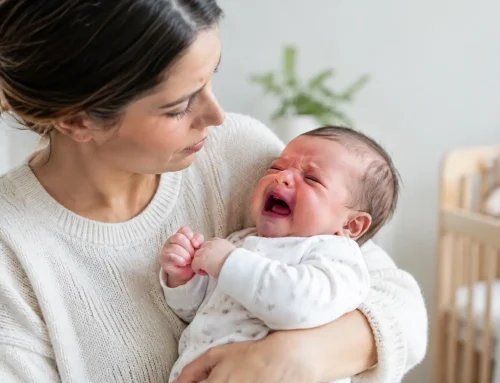
That tiny startle reflex can turn a peaceful, milk-drunk newborn into a wide-awake baby the moment you set them down. The swaddle versus sleep sack decision often starts there: you want your baby to feel secure, but you also want every sleep choice to support safe sleep. The right answer can change quickly as your baby grows, which is why it helps to understand what each option does and when it is time to switch.
What is the difference between a swaddle and a sleep sack?
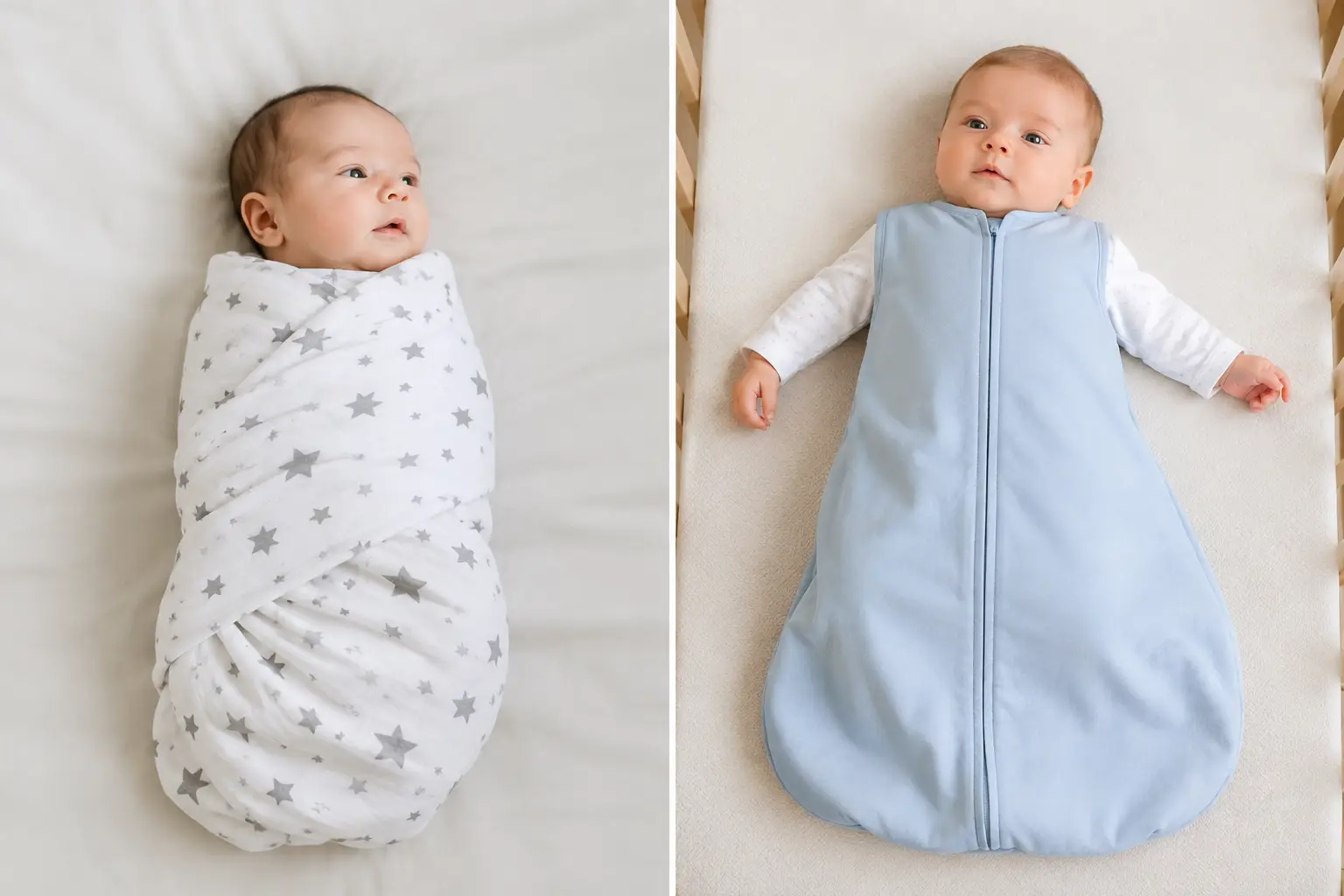
A swaddle wraps snugly around a newborn’s body to limit the Moro reflex, also called the startle reflex. Many newborns sleep more soundly when their arms are gently contained, especially in the first weeks when the world still feels very big and unfamiliar. Swaddles may be made from a simple blanket or come in wearable designs with wraps, snaps, or zippers.
A sleep sack is a wearable blanket. It keeps baby warm without loose blankets in the crib, while leaving their arms free to move. Some sleep sacks are made for newborns and have a close-fitting neckline and arm openings; others are roomier styles for older babies and toddlers.
The key difference is freedom of movement. A swaddle is intended for a non-rolling newborn. A sleep sack is designed for babies who need their arms free, including babies who are beginning to roll, sit, stand, and move around their crib.
Swaddle versus sleep sack: which is safest?
Both can have a place in a safe sleep routine when used correctly, but a sleep sack works for a much longer stage of infancy. The American Academy of Pediatrics recommends placing babies on their backs for every sleep, on a firm, flat sleep surface with only a fitted sheet. That means no loose blankets, pillows, stuffed animals, sleep positioners, or nests in the crib or bassinet.
For a newborn who is not showing any signs of rolling, a properly fitted, non-weighted swaddle can be an option. Baby’s hips and legs should have room to bend and move. Swaddling too tightly around the hips may interfere with healthy hip development, and a swaddle that comes loose can become a hazard in the sleep space.
Once a baby shows signs that they may try to roll, swaddling should stop. This can happen earlier than many parents expect, sometimes as early as 8 weeks. You do not need to wait for a full, picture-perfect roll from back to belly. Repeatedly twisting, lifting onto a side, or getting an arm out of the swaddle are good reasons to prepare for the transition.
A sleep sack is the safer ongoing choice once rolling is possible because baby can use their arms to reposition themselves. Choose one that fits snugly around the chest and neck, with arm openings that are not large enough for baby to slip down inside. Avoid weighted sleep sacks, weighted swaddles, and products that claim to hold a baby in a particular sleep position.
When a swaddle may help
The newborn weeks can be noisy, wiggly, and unpredictable. A swaddle may help settle a healthy, full-term newborn who wakes often from the startle reflex. It can be especially useful during the first stretch of nighttime sleep, when parents are trying to build a simple rhythm around feeding, diaper changes, and rest.
Still, a swaddle is not required. Some babies dislike having their arms contained from the beginning. Others sleep well in a newborn-appropriate sleep sack with their hands near their face. You are not doing anything wrong if your baby prefers one approach over the other.
If you swaddle, check these basics each time:
- Put baby on their back, never on their side or stomach.
- Keep the wrap secure at the chest but loose around the hips and legs.
- Use only a lightweight, non-weighted swaddle and avoid overheating.
- Stop swaddling at the first signs of rolling or attempted rolling.
A swaddle should also never be used in a car seat, stroller, swing, bouncer, or baby carrier. If baby falls asleep in a sitting device, move them to a flat, firm sleep surface as soon as you can.
Why sleep sacks become the practical choice
Sleep sacks take one bedtime decision off your plate. Rather than wondering whether a blanket has shifted during the night, you can dress your baby in a properly sized wearable layer and place them in an empty crib or bassinet. For many families, that consistency becomes especially valuable after the newborn fog begins to lift.
They are also useful through changing seasons. Instead of relying on a loose blanket for warmth, you can adjust baby’s pajamas beneath the sleep sack based on the room temperature and the manufacturer’s warmth rating, often called a TOG rating. In a comfortably cool room, many babies do well in a cotton bodysuit or footed pajamas under an appropriately rated sack. Check baby’s chest or back, not their hands or feet, for signs of overheating.
A sweaty chest, damp hair, flushed cheeks, fast breathing, or unusual irritability can mean baby is too warm. When in doubt, use one less layer. Babies do not need hats indoors for sleep, since hats can contribute to overheating or slip over the face.
As your child becomes mobile, sleep sacks can also create a helpful bedtime cue. A toddler may fight pajamas, request one more book, and suddenly need a sip of water, but the familiar sleep sack can signal that the active part of the day is over. Choose a size that allows comfortable leg movement and follow the product’s age, weight, and fit guidance.
How to transition out of a swaddle without losing sleep
The transition can feel intimidating, particularly if your baby has slept beautifully while swaddled. Some babies adapt in a night or two; others need a little more time. A rough few nights does not mean your baby needs to return to a full swaddle if they are showing rolling signs. Safety comes first.
You can switch directly to an arms-free sleep sack, especially if your baby is already protesting the swaddle or breaking free from it. Another approach is to free one arm for a few nights, then both arms, before moving to the sleep sack. This gradual method may be gentler for babies who strongly rely on the snug feeling.
Keep the rest of the routine steady while you make the change. Feed baby, change their diaper, dim the lights, and use the same calm words or song. A brief, predictable routine gives your baby familiar signals even when their sleepwear feels different.
Expect more visible startles at first. That reflex is normal, and it fades with development. Offer comfort without adding unsafe items to the crib. If your baby seems unusually uncomfortable, has breathing concerns, or was born prematurely or has a medical condition affecting sleep, ask their pediatrician for personalized guidance.
A calmer sleep routine starts before the crib
Sleepwear is only one part of the bedtime picture. A simple reset before bed can make everyone feel more comfortable: a fresh diaper, clean hands and neck folds, comfortable pajamas, and a quiet room. Spit-up, drool, milk dribbles, and sticky sunscreen from a late afternoon walk can make a baby fussy when they are trying to settle.
On nights when a full bath is not practical, a gentle no-rinse cleanup can help without turning bedtime into another big task. Keep the routine calm and brief. The goal is not a perfect evening. It is helping your baby feel clean, dry, fed, and safe enough to rest.
As you choose between a swaddle and a sleep sack, let your baby’s development lead the decision, not the calendar or a perfect sleep schedule. A secure newborn may benefit from a properly used swaddle for a short season. An arms-free sleep sack offers a simple, safer path once movement begins. One small adjustment at bedtime can give both you and your baby a little more room to breathe.