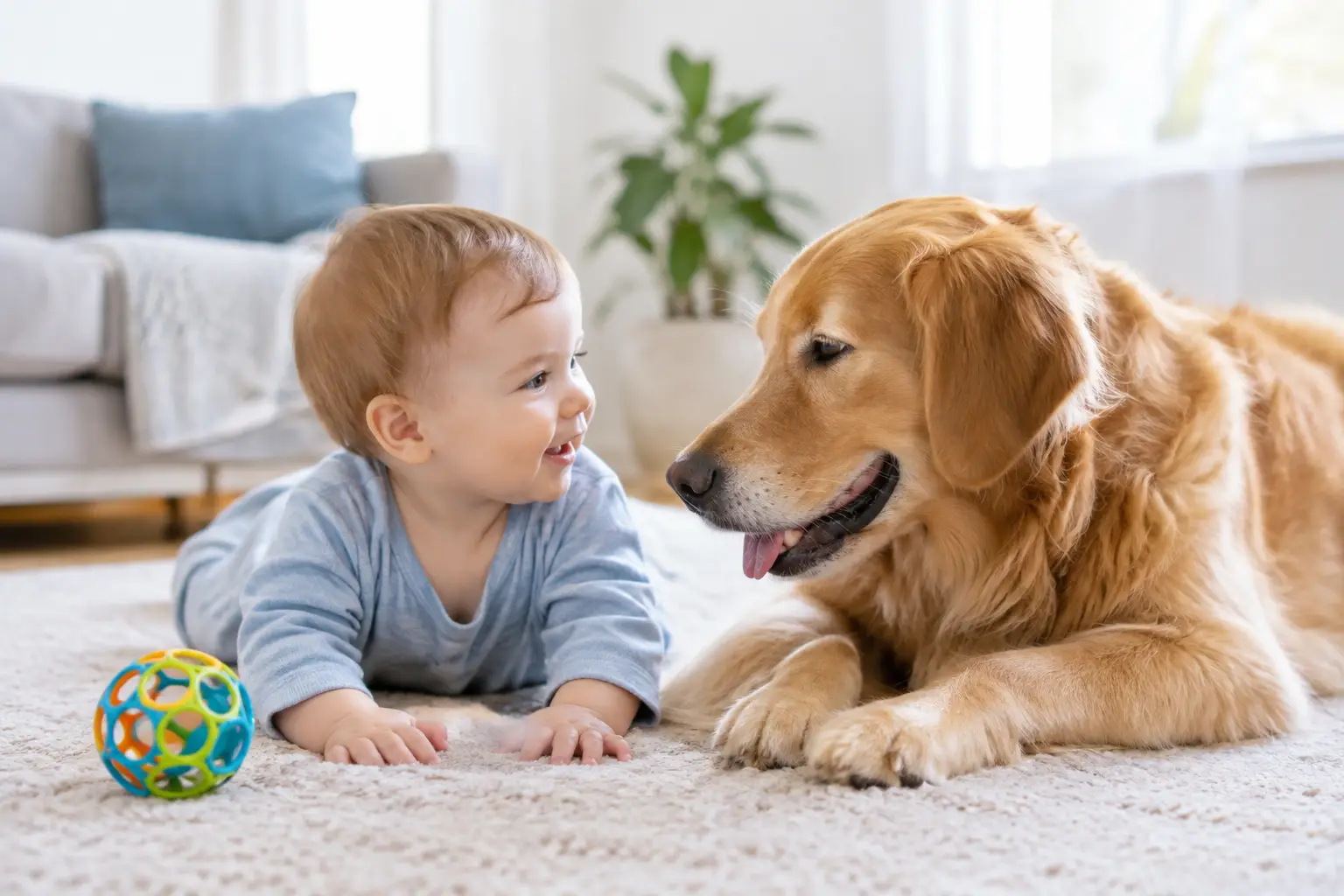
The first time your dog sniffs the baby’s tiny sock or your cat quietly watches a late-night feeding, it can feel like your family is changing all at once. Babies and pets can share a loving home, but affection is not a substitute for a plan. A few calm routines protect your child, respect your pet’s needs, and make everyday life feel far less unpredictable.
Babies and Pets Need Boundaries, Not Perfect Behavior
Pets do not automatically understand that a newborn is fragile, noisy, and suddenly at the center of the household. Babies, meanwhile, will soon become mobile, grabby, and fascinated by tails, ears, food bowls, and anything fuzzy. The goal is not to force an instant friendship. It is to create safe, positive moments while giving everyone room to adjust.
Start before baby arrives if you can. Practice basic cues with dogs, especially “leave it,” “stay,” “off,” and coming when called. Set up gates or a comfortable pet-free area so your animal has a familiar place to retreat when visitors, crying, or feeding schedules make the home feel busy. For cats, vertical spaces and quiet rooms can be especially helpful.
After baby comes home, keep introductions low-key. Let your pet notice the baby from a comfortable distance, and reward calm behavior with praise or a treat. Never hold your baby close to an animal’s face to encourage a sniff. A pet can be gentle and still react unexpectedly when startled, crowded, tired, or protective of food or toys.
Supervision means an alert adult is close enough to intervene immediately, not simply in the same room. Even a trusted family pet should never be left alone with a baby, including during naps. Keep pets out of the crib, bassinet, changing area, and any baby sleep space. Soft fur and warm snuggles may seem harmless, but safe sleep needs a clear, empty surface.
Build Clean Habits Into Everyday Care
Babies explore with their hands and mouths. Pets explore with their paws, noses, and sometimes their tongues. That is normal, but it makes simple hygiene habits matter.
Wash hands after handling pets, pet food, cages, aquariums, litter boxes, or outdoor toys and before feeding or touching your baby’s hands, face, bottles, pacifiers, or food. Help older siblings do the same. If your baby touches a pet and then tries to put fingers in their mouth, a quick hand cleanup is usually all that is needed.
Keep pet bowls, food, treats, and medications well out of reach. Do not let a pet lick your baby’s face, hands, bottle, or pacifier. A friendly lick can transfer germs, and babies have immature immune systems. It is also wise to keep pet toys separate from baby toys, even if they look surprisingly similar.
Regular veterinary care supports the whole household. Keep pets current on recommended vaccines, flea and tick prevention, and parasite screening based on your veterinarian’s guidance. Call your child’s pediatrician if a pet scratches or bites your baby, even if the injury looks small. Wash the area with soap and water right away, apply gentle pressure if it is bleeding, and seek prompt medical advice.
Cat litter deserves its own rule: pregnant people should avoid changing litter when possible because of the risk of toxoplasmosis. After birth, keep litter boxes inaccessible to curious babies and toddlers, and wash hands thoroughly after any cleanup.
Make the Floor Safer Before Baby Gets Mobile
The biggest changes often arrive when your baby starts rolling, scooting, crawling, and cruising. What was once a peaceful pet corner can quickly become your child’s favorite destination.
Do a floor-level scan each day. Pick up chew toys, rawhide, treats, bones, small pet accessories, and anything that could pose a choking risk. Secure cords around tanks or automatic feeders. Store cleaning products, medications, and pest treatments where children cannot reach them. If your pet has an accident indoors, clean it completely and keep baby away until the area is dry.
Outdoor play brings another layer of mess. A toddler can go from a sandbox to the stroller in seconds, with sand on their cheeks, sunscreen on their arms, and a loving dog waiting nearby. A traditional bath is not always realistic when you are at the park, traveling, or visiting grandparents.
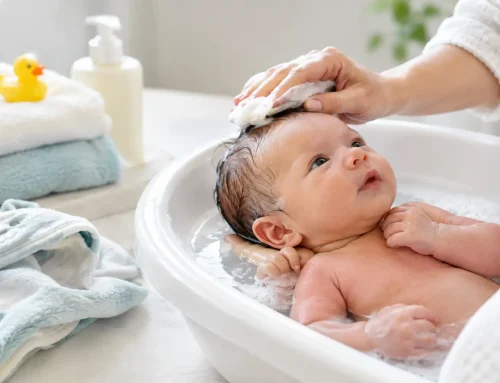
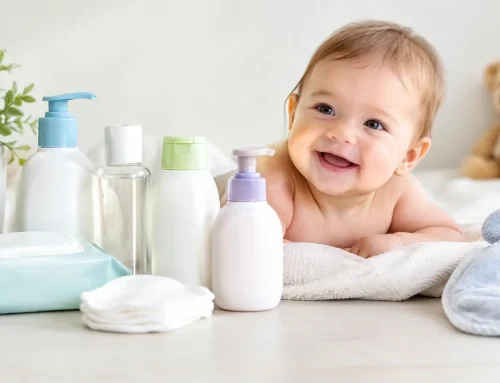
For those between-bath moments, Baby Batherz can provide a gentle, no-rinse head-to-toe cleanup for babies and young children. The extra-thick, 100% bamboo cloths are made with 99% purified water, aloe, vitamin E, and a coconut-derived cleanser, without fragrance or harsh chemicals. They can be useful for wiping away dirt, grime, sand, and zinc sunscreen before a proper bath is convenient. Use a fresh cloth for your child only, never to clean pet paws, fur, bowls, or accidents.
Protect Your Pet’s Peace, Too
Safety works both ways. A baby who grabs fur or crawls toward a resting pet is not being naughty. They are learning. But pets need protection from rough handling and constant interruption, especially as children become more active.
Show your child gentle touch by guiding their hand with yours. Use simple, repeated phrases such as “soft hands” and “let puppy rest.” Avoid putting a baby on a pet’s back or asking an animal to tolerate hugs. Many animals find hugs uncomfortable because they restrict movement.
Watch for signs that your pet needs space. These may include turning away, stiffening, showing the whites of the eyes, pinning ears back, growling, hissing, hiding, or repeatedly licking their lips. Do not punish a growl. A growl is valuable communication that says the pet is uncomfortable. Calmly separate them, then consider what may have caused the stress.
If your pet has a history of biting, snapping, severe fear, or aggression, speak with your veterinarian and a qualified animal behavior professional before allowing close contact. This is not a failure or a reason for shame. Getting help early is a caring decision for both your child and your animal.
Give Each Part of the Day a Simple Plan
Routines reduce the number of decisions you have to make while tired. During feeds, place your pet behind a gate or offer a favorite puzzle toy nearby so they are not underfoot. During tummy time, use a clear floor space and keep the pet at a distance unless an adult is actively supervising. During diaper changes, make sure pets cannot reach dirty diapers or supplies.
When family or friends visit, remember that pets may become overstimulated by extra noise and movement. A quiet room, a walk, or time with a familiar caregiver can help. The same applies when you are away from home. Bring a travel gate when possible, keep your baby’s play area separate from pet zones, and pack enough cleanup supplies for the reality of outings, not the ideal version.
You do not need a spotless house or a perfectly trained pet to raise a child safely around animals. You need clear boundaries, clean hands, protected sleep spaces, and the willingness to slow down when either your baby or pet seems overwhelmed.
The sweetest moments between children and pets often grow from those ordinary, well-managed days: a calm dog resting nearby during story time, a cat watching from a sunny shelf, and a child learning that loving an animal means being gentle with them.