The newborn essentials you don’t know you need until baby comes home are rarely the big-ticket registry items. They are the small, reach-for-them-at-2-a.m. helpers that make a spit-up-soaked onesie, a leaking diaper, or a tiny baby’s first messy neck fold feel manageable instead of overwhelming.
You do not need to buy every newborn gadget. In fact, a simpler setup is often easier to use when you are tired, healing, learning feeds, and trying to remember when everyone last slept. The goal is not a perfectly stocked nursery. It is a calm, safe home routine with a few supplies that solve real problems.
The newborn essentials you do not realize matter yet
A changing station backup basket
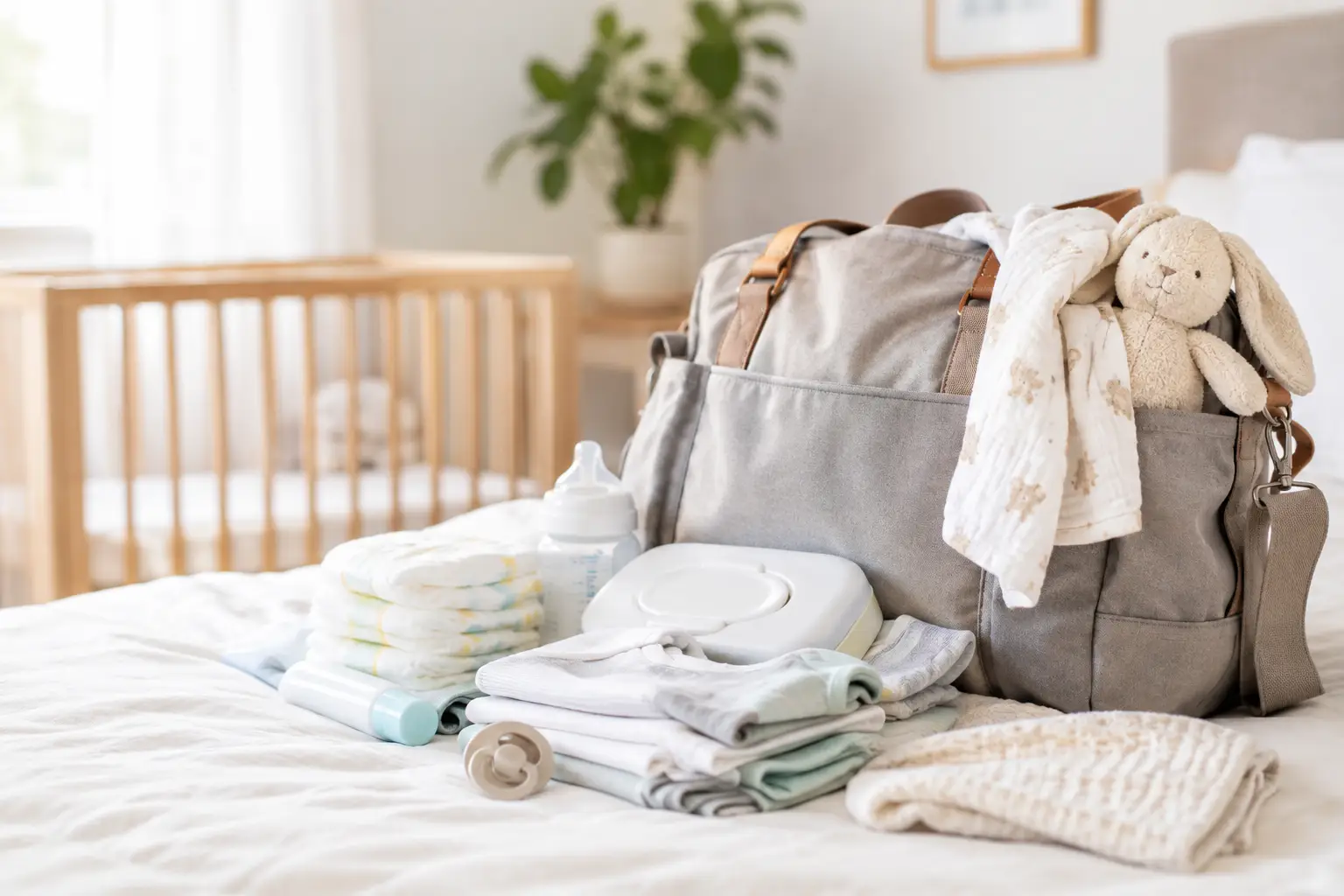
A changing pad is useful, but newborn messes do not always happen there. Keep a small basket in the room where you spend the most time with baby. Include diapers, wipes, diaper cream, a spare outfit, a burp cloth, a waterproof changing pad, and a small bag for soiled clothes.
This backup is especially helpful after a C-section or difficult delivery, when getting up and down the stairs can feel like a major task. It also makes handoffs easier. A partner, grandparent, or visiting caregiver can find what they need without asking you to direct every step.
More burp cloths than you think you need
Newborn spit-up is usually normal, but it is surprisingly constant for some babies. A burp cloth tucked under baby’s chin during feeds protects both of you from frequent outfit changes. Keep several in the feeding area, diaper basket, car seat bag, and beside your bed.
Choose soft, absorbent cloths that can handle milk dribbles and quick shoulder cleanups. Thin cloths may look cute, but extra absorbency matters when you are washing laundry at an unpredictable pace.
A clean-skin plan for the in-between moments
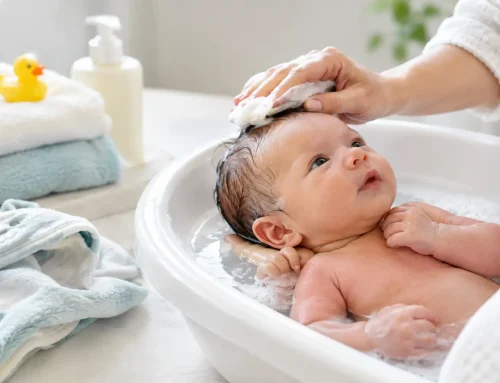
Newborns do not need a full tub bath every day. Frequent bathing can dry delicate skin, and early on, many parents prefer to avoid fully immersing baby while the umbilical cord stump is still attached. Your pediatrician can guide you if you have questions about your baby’s specific skin or cord care needs.
Still, milk can collect beneath the chin, in neck folds, behind ears, and around tiny fingers. A gentle no-rinse cleansing option is helpful when a bath is not practical. Baby Batherz are pediatrician-approved, extra-thick 100% bamboo bathing cloths made with 99% purified water, aloe, vitamin E, and a coconut-derived cleanser. They are fragrance-free and formulated without harsh chemicals, so you can gently clean baby from head to toe without setting up a tub or sink. They are designed for bathing and cleansing, not as diaper wipes.
For everyday fold care, use a clean, gentle cloth, wipe softly, and pat the area dry. Avoid scrubbing. Redness that persists, skin that looks cracked or weepy, a foul smell around the cord stump, or a fever in a newborn deserves a call to your pediatrician.
A dim, practical light for overnight care
Bright overhead lights can turn a brief diaper change into a wide-awake event. A small warm-toned night-light lets you see diaper tabs, baby’s skin color, and any mess without making the room feel like morning.
Place it where you can reach it safely, away from the bassinet and out of reach of cords. The best overnight light is simple: bright enough to help, low enough to preserve a sleepy atmosphere.
A safe place to set baby down in every main room
At some point, you will need both hands. Maybe you need to use the bathroom, eat something warm, answer the door, or change your shirt after spit-up. Having a safe, flat sleep space or other age-appropriate safe place ready in the rooms you use most can make those moments less stressful.
For sleep, follow current safe-sleep guidance: place baby on their back on a firm, flat surface designed for infant sleep, with only a fitted sheet. Keep loose blankets, pillows, stuffed animals, and positioners out of the sleep space. A product that feels cozy is not always safe for unsupervised sleep.
A thermometer you know how to use
A baby thermometer is one of those items you hope to barely use, but you will be glad to have it before you need it. Read the instructions ahead of time and keep it with other health supplies, not buried in a drawer.
For babies younger than 3 months, a rectal temperature of 100.4°F or higher needs prompt medical attention. Call your pediatrician right away for guidance. Trust your instincts, too. If your newborn seems unusually sleepy, is difficult to wake for feeds, has trouble breathing, or simply seems unwell, seek medical advice promptly.
Easy-close pajamas and extra sheets
Newborns can go through multiple outfits in a day. Snaps may be perfectly fine, but when you are learning diaper changes in low light, zippers or other easy closures can save time. Look for clothing that fits comfortably rather than buying too much in the smallest size. Babies grow quickly, and sizing varies.
Keep at least one extra fitted bassinet or crib sheet nearby, along with a waterproof mattress protector if it is compatible with your sleep surface. A midnight diaper leak is much easier when you can strip the bed, remake it, and settle baby back down without starting laundry immediately.
Feeding support counts as an essential
Whether you breastfeed, formula feed, pump, or combine methods, a comfortable feeding corner is not an indulgence. It is practical care. Set up a water bottle, snacks, burp cloths, phone charger, nipple cream or pumping supplies if you use them, and a place to track questions for your pediatrician or lactation consultant.
For formula-feeding families, a measured, organized setup can reduce late-night stress. Prepare bottles according to the formula instructions and your pediatrician’s guidance. If you are using expressed milk, follow current storage and handling recommendations. Newborn feeding can be emotionally intense, and the right support is more valuable than any one product.
A small kit for leaving the house
The first outing may be a pediatrician appointment, a walk around the block, or a visit to grandparents. Pack a compact bag with diapers, a changing pad, spare clothes, feeding supplies, burp cloths, and a gentle cleanup option. Add a plastic bag for wet or soiled items.
This habit keeps helping as your child grows. Infants and toddlers meet the world face-first: sand at the playground, sunscreen residue after a park day, snack hands in the car, and mystery grime after a grandparent visit. A quick no-rinse cleanup can be useful when there is no bath nearby or when a traditional bath would be more trouble than it is worth.
The one essential that is not sold in a box
New parents are often told to enjoy every moment. The kinder truth is that some moments will be sweet, some will be hard, and many will be both at once. You do not have to create a flawless routine right away.
Give yourself permission to keep the essentials close, accept help, and choose the easier safe option when the day gets messy. A clean baby, a fed baby, and a caregiver who has one less thing to worry about is a very good place to begin.