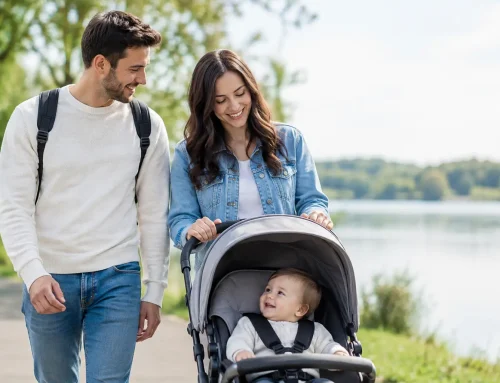
A baby can turn a 20-minute drive into a full wardrobe change, a snack-covered car seat, and a search for the nearest restroom. The right travel infant care products do not need to fill an extra suitcase. They simply need to solve the moments that make parents feel unprepared: a spit-up-soaked onesie at the airport, sandy hands after the playground, or a diaper change in the backseat before the next stop.
For babies and young children, travel care is less about recreating every home routine and more about protecting comfort, hygiene, and safety wherever the day takes you. A thoughtfully packed bag gives you options when a tub, high chair, clean counter, or quiet changing table is not available.
Start With the Care Moments You Actually Expect
It is tempting to pack for every possible scenario. But a travel bag becomes harder to use when it is stuffed with duplicate items and loose supplies. Instead, think through the rhythm of your trip: feeding, diapering, naps, outdoor play, quick cleanups, and bedtime.
A short visit to grandparents may only call for a compact diaper kit, an extra outfit, feeding supplies, and a gentle way to clean up after play. A full travel day may require more backups, including a change of clothes for both baby and caregiver, a travel changing pad, and enough supplies to cover delays.
Age matters, too. Newborns need frequent diaper changes and gentle skin care, while mobile infants and toddlers are more likely to collect dirt, food, sand, sunscreen, and mystery smudges. The goal is not perfection. It is helping your child stay comfortable until you can return to your usual routine.
Travel Infant Care Products for the Diaper Bag
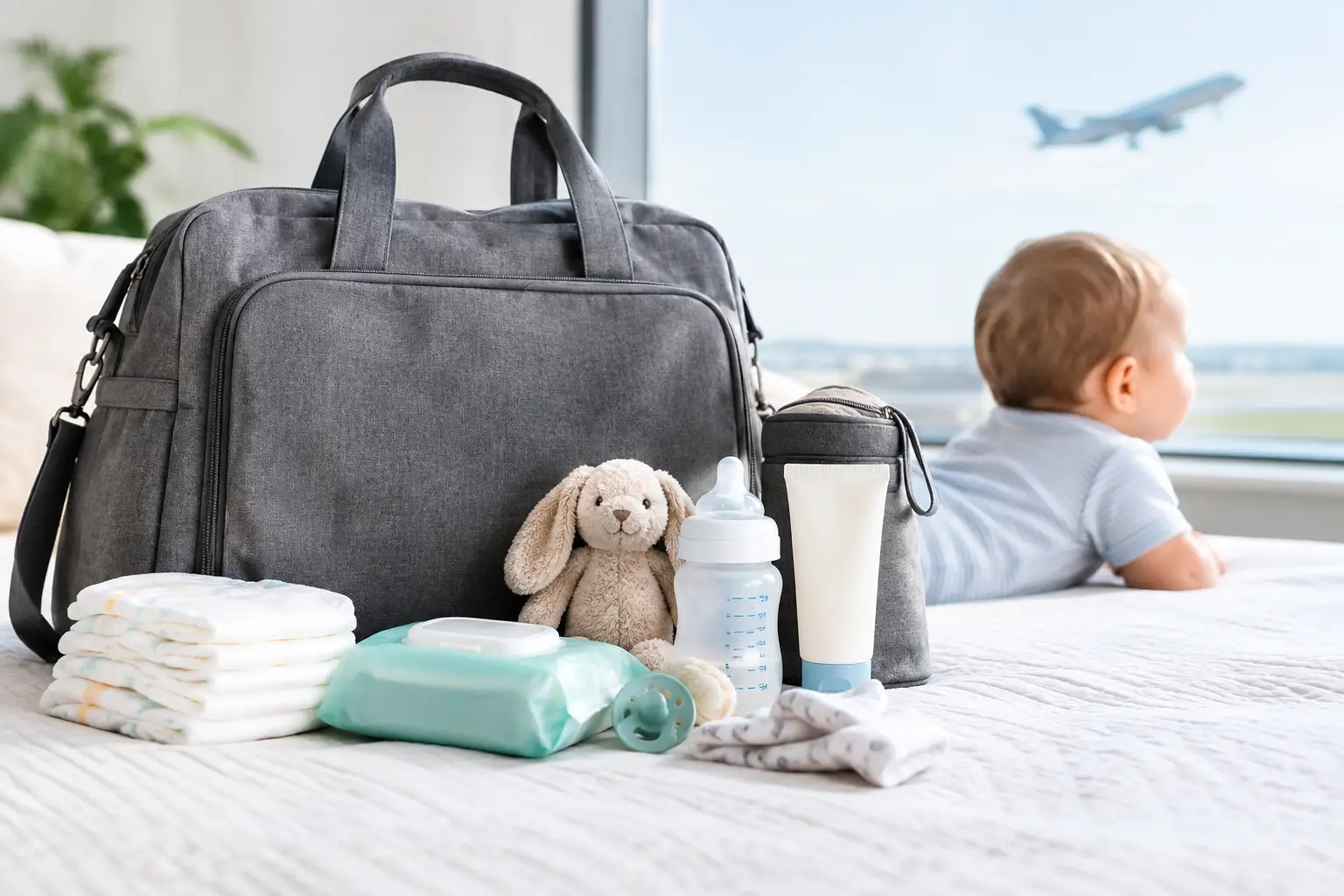
The most useful travel infant care products are easy to reach with one hand and simple enough for another caregiver to use. Keep them together in a washable pouch or use small zippered bags by category, so you are not hunting for diaper cream while your baby is rolling away.
For most outings, pack diapers, wipes for diaper changes, a portable changing pad, diaper cream if your child uses it, and disposal bags. Add at least one complete change of clothes, plus a lightweight layer for changing temperatures. A bib or burp cloth is helpful for younger babies, and a small wet bag can hold soiled clothing until you get home.
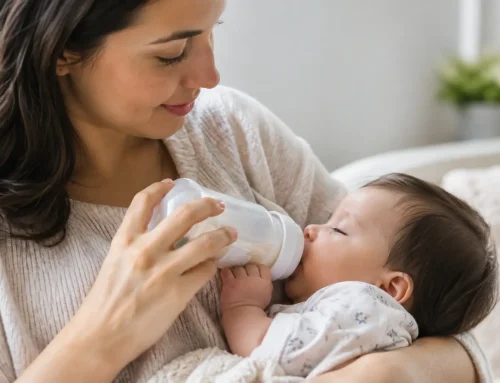
Feeding supplies depend on your child’s stage. For a bottle-fed baby, bring prepared bottles only when you can store them safely, or pack the components needed to prepare a bottle according to your pediatrician’s guidance. For older babies and toddlers, a spill-resistant cup, familiar snacks, and a bib can prevent a small hunger moment from becoming a big one.
You do not need to bring every favorite toy. One comfort item for naps and a couple of quiet, easy-to-clean distractions are usually more practical than a large toy collection. Keep small items out of reach when your child is in a car seat or stroller, especially during travel.
A gentle cleanup option belongs in the bag
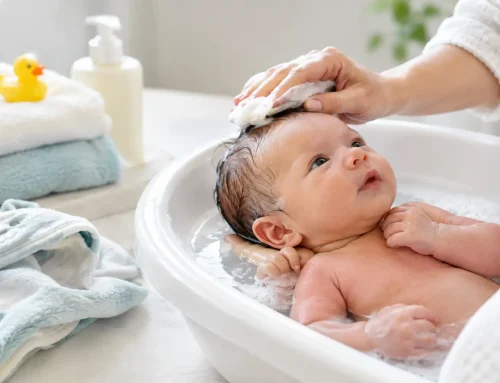
Not every mess is a diaper mess, and not every outing ends near a sink. A no-rinse cleansing option can be especially useful after a blowout, a spit-up episode, sticky meals, or outdoor play. Baby Batherz are pediatrician-approved, extra-thick 100% bamboo bathing cloths made with 99% purified water, aloe, vitamin E, and a coconut-derived cleanser. They are fragrance-free and made without harsh chemicals, offering a gentle head-to-toe cleanup when a traditional bath is not an option.
That distinction matters: bathing cloths are not a substitute for diaper wipes during a diaper change, and diaper wipes are not always the best choice for cleaning a child’s entire body after a long day. Use products as intended, and follow up with a regular bath when it makes sense for your family.
Keep Skin Care Simple Away From Home
Babies and toddlers often have more sensitive skin than adults, and travel can introduce new irritants: heat, sweat, chlorine, dry airplane air, unfamiliar soaps, and sunscreen residue. The safest approach is usually the simplest one. Bring the products you already know work well for your child rather than trying a new lotion, cleanser, or sunscreen during a trip.
After outdoor time, check the places that quietly collect sweat and grime: neck folds, behind the ears, under the chin, wrists, ankles, and diaper-area creases. For toddlers, also look at knees, hands, feet, and the hairline. A quick gentle cleanup can make a child more comfortable before a car ride, meal, or nap.
If your child wears zinc-based sunscreen, it may leave a visible white or sticky layer. That is normal, but it can mix with sand, dirt, or food throughout the day. Cleanse gently instead of scrubbing. Red, broken, blistered, or persistently irritated skin deserves a call to your child’s pediatrician, especially in a newborn.
Make Changes Safer in Small Spaces
Airport restrooms, gas stations, relatives’ homes, and parked cars can all work for a diaper change with a little preparation. Choose the cleanest stable surface available, use a portable changing pad, and keep one hand on your baby at all times. Never leave a baby unattended on a bed, couch, changing table, or vehicle seat, even for a second.
In a car, avoid changing a baby on a seat where they could roll or slip. If possible, use the flat cargo area of an SUV or a fully open, stable space outside the vehicle away from traffic. When conditions are unsafe or uncomfortable, it is okay to wait for a better location if your baby’s immediate needs allow.
For parents recovering from a C-section or a difficult delivery, an organized bag can reduce unnecessary lifting, twisting, and bending. Ask a partner, grandparent, or friend to learn where supplies are kept and how your baby’s care routine works. Shared knowledge is one of the most useful travel tools a family can have.
Plan for the Messes That Cannot Wait
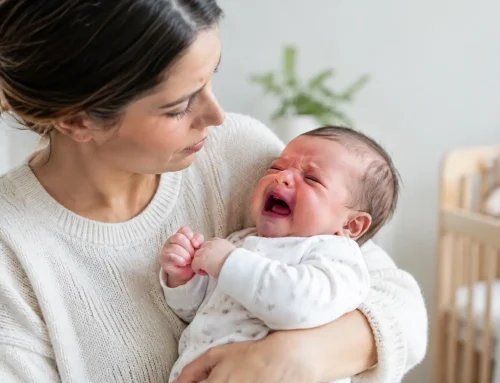
Some travel moments need a quick response, not a perfect response. A blowout before boarding, car sickness on a winding road, or a soaked shirt at a family gathering can feel overwhelming when you are tired. Start with baby’s comfort and safety, then deal with the rest.
For a large mess, remove soiled clothing carefully, clean the skin gently, and put dirty items into a sealed wet bag. Dress your child in something comfortable and dry. If the car seat, stroller, or carrier is soiled, follow the manufacturer’s cleaning instructions before using it again. Car seat harness straps and padding often have specific cleaning requirements, so avoid soaking or using products the manufacturer does not approve.
It helps to pack a small “mess reset” pouch with an outfit, disposable bags, a burp cloth, and a gentle cleanser. Keep a second version in the car if you drive often. Replacing used supplies as soon as you return home prevents the familiar surprise of finding an empty bag on the next outing.
Use Travel Routines Without Expecting Perfection
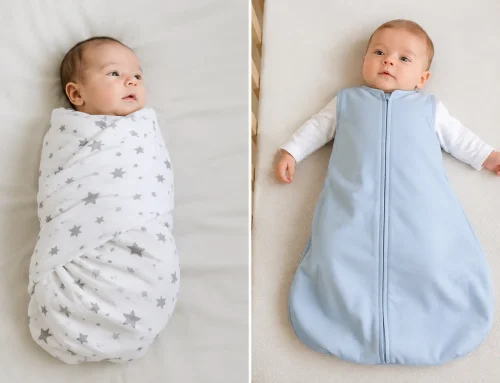
Babies do better with familiar cues, but travel rarely follows the clock exactly. Try to preserve a few anchors rather than forcing the whole home schedule. A familiar sleep sack, bedtime book, feeding routine, or quiet cleanup before pajamas can signal that it is time to wind down, even in a hotel room or at grandparents’ house.
For toddlers, involve them in simple care tasks. They can choose between two clean shirts, carry a diaper to the trash, or help put their shoes in the bag. Small choices support growing independence without handing over decisions that are too big for them.
A missed bath, later bedtime, or extra snack does not undo your family’s routine. Travel asks a lot of little bodies and tired adults. When you focus on clean skin, dry clothes, safe sleep, regular feeds, and responsive comfort, you are already covering what matters most.
The best travel setup is the one that leaves room for the actual trip: a slower morning with grandparents, a sandy afternoon at the beach, or a child who falls asleep on the ride home with clean cheeks and a full belly. No tub, no stress, just love – and a bag packed for real life.